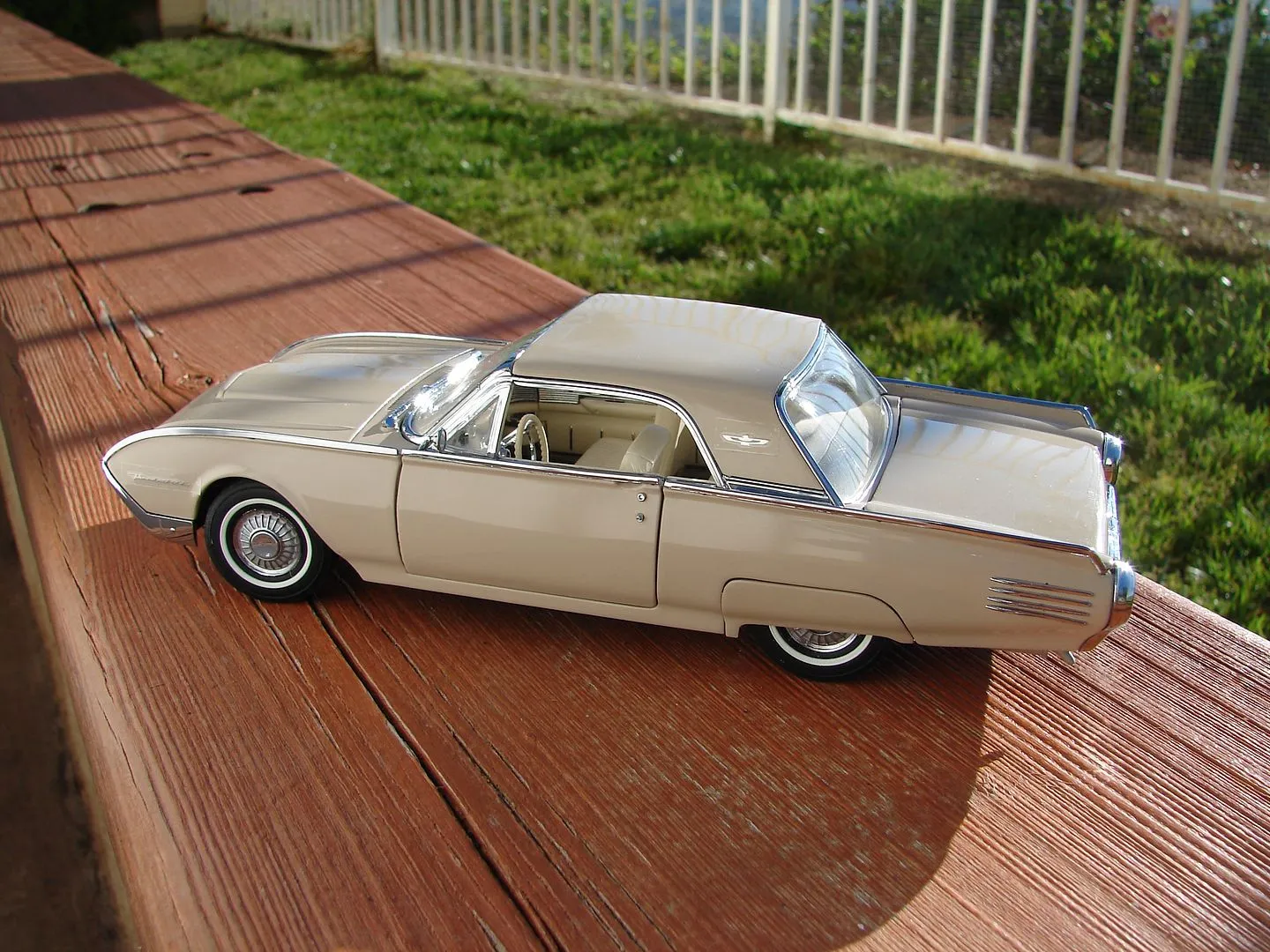
What is Diecast Car Grading
Diecast car grading is the process of evaluating the condition and quality of a diecast model. This evaluation is crucial for collectors, sellers, and buyers to determine a model’s value and authenticity. Grading involves a detailed inspection of various aspects, including the paint, details, wheels, packaging, and overall presentation. This standardized assessment helps to maintain consistency in the diecast car market, ensuring that everyone involved has a clear understanding of the model’s condition before a transaction. Understanding the nuances of grading is essential for anyone serious about collecting or dealing in diecast cars, as it directly impacts their investment and enjoyment of the hobby. Accurate grading allows for fair pricing and reduces the risk of misrepresentation, fostering trust within the collecting community. The process provides a common language for describing the state of a model car.
Importance of Diecast Car Grading
The importance of diecast car grading cannot be overstated. Firstly, it significantly influences the market value of a model. A higher grade generally translates to a higher price, reflecting the superior condition and rarity of the item. Accurate grading protects both buyers and sellers from potential disputes and misinterpretations, ensuring fair transactions based on objective criteria. For collectors, grading offers a sense of assurance regarding the authenticity and quality of their acquisitions. It provides a standardized system for comparing models, aiding in decision-making when expanding their collections. Moreover, it encourages meticulous care and preservation of models, as collectors strive to maintain or improve their grade. Grading also supports the historical record, as it helps to preserve the physical state of these miniatures.
Tip 1 Assessing Paint Condition

The paint condition is one of the most significant factors in determining a diecast car’s grade. The paint job should be smooth, even, and free from defects. Even minor imperfections can significantly lower the grade. Any evidence of repainting or touch-ups is also considered a detriment. Evaluating the paint condition requires a close inspection under good lighting to identify any flaws. The paint’s sheen should be consistent across all surfaces, indicating a well-preserved model. Paint condition affects the visual appeal and the long-term value of the model. Attention to detail in this area is essential for a proper and complete grading process. Assess the paint carefully to determine how it impacts the overall grade.
Checking for Chips and Scratches
Chips and scratches are among the most common defects to look for when grading diecast cars. These imperfections can range from tiny flecks of missing paint to more extensive damage. Using a magnifying glass can help identify these minute details that may not be readily apparent. Scratches can be particularly damaging, especially if they are deep and expose the metal underneath. Assess where the chips and scratches are located and how numerous or large they are. The presence and severity of these flaws significantly affect the model’s grade. The fewer the chips and scratches, the better the overall grade and value of the diecast car. Pay special attention to edges and corners, as these areas are often prone to damage.
Evaluating Paint Fade and Discoloration
Paint fade and discoloration are signs of aging and exposure to environmental factors. Sun exposure can cause paint to fade, while humidity can lead to discoloration. Evaluating the original paint’s color against known color references for the specific model can help determine the extent of any fading. Uneven discoloration, such as blotches or areas with a different hue, further impacts the grade. Look for variations in the paint’s color across different parts of the model. These factors degrade the overall aesthetic and reduce the model’s appeal to collectors. Discoloration and fading can often be an indicator of how well a car was stored. Careful evaluation of these factors is vital for accurate grading, as it directly impacts the model’s visual condition and value.
Tip 2 Examining the Model’s Details

Besides the paint, inspecting the model’s details is essential for grading. This includes looking at badges, decals, markings, and other fine details that contribute to the model’s realism and accuracy. Any missing, damaged, or misaligned details can negatively affect the grade. Comparing the model to the original specifications or reference materials can help determine if all the details are present and in good condition. Authenticity is key here, and any indication of tampering or non-original parts will lower the grade. The accuracy and condition of the model’s details speak to its overall quality and the care it has received. Close inspection of the intricate elements is necessary to accurately assess its value.
Inspecting Badges, Decals, and Markings
Badges, decals, and markings provide essential details that define the model. Check that all original badges and decals are present, correctly positioned, and in good condition. Look for any signs of peeling, cracking, or fading. Markings, such as manufacturer logos, model names, and specifications, should be clear and legible. Ensure these elements have not been replaced or altered. Any damage to these details affects the model’s authenticity and value. Verify that all are present and in good condition to determine the overall grade. Properly maintained badges, decals, and markings are a hallmark of a well-preserved diecast car, enhancing its value and appeal to collectors. A detailed assessment is essential for achieving an accurate grade.
Checking for Correct Parts and Components
Verifying that all parts and components are original and correct is a critical aspect of the grading process. Compare the model to its original specifications, paying attention to the type of engine, interior details, and any other unique features. Any replacement parts must be of the correct type and installed correctly. If parts are missing or non-original, this will negatively impact the grade and the model’s value. Ensure all components are present and in their original form. Collectors highly value models with all their original parts. Checking all parts ensures that the model is authentic and adds to its long-term value. The authenticity of components plays a key role in the diecast car grading process.
Tip 3 Evaluating the Wheels and Tires

The condition of the wheels and tires also impacts the overall grade of a diecast car. Wheels must be straight and free from damage, such as dents or bends. Tires should be intact and not show excessive wear or cracking. Check for any signs of warping or distortion. The wheels and tires must be securely attached and aligned correctly. The quality of these components significantly affects the appearance and value of the model. Clean wheels and tires contribute to a well-preserved look. Assess the wheels and tires carefully, as their condition is a visible indicator of the model’s care and preservation. The wheels and tires are essential for overall model appeal.
Assessing Wheel Condition
Wheels must be examined closely for any damage, such as dents, scratches, or bends. Ensure the wheels spin freely and are correctly aligned. Wheels in good condition are a mark of a well-preserved diecast car. Damage to the wheels reduces the model’s grade and value. Any signs of corrosion or rust on the wheels should also be noted. Scratches and dents can detract from the model’s overall appearance. Correct wheel alignment is also essential for an accurate grade. Examining the wheels is essential, and it is a clear indicator of the model’s condition. Proper assessment of wheel condition will help get the correct overall grade.
Checking for Tire Wear and Damage
Tires should be checked for wear and any signs of damage such as cracking or dry rot. The tires’ condition significantly affects the overall look and value of the diecast car. Tires should fit correctly on the wheels. The presence of wear or damage will lower the grade. Tires that have been replaced with incorrect types can also negatively affect the assessment. Evaluate tire wear, damage, and overall condition to ensure an accurate grade. Regular inspection of the tires contributes to the model’s assessment. Proper tire condition enhances the model’s presentation and can significantly increase its value.
Tip 4 Analyzing the Packaging

The packaging, often overlooked, is an important factor in the grading of a diecast car. The original packaging protects the model and can significantly increase its value, especially if it’s in pristine condition. The assessment of the packaging should include examining the box, any inserts, and accessories that came with the model. The packaging’s condition can greatly affect the model’s overall value, and collectors appreciate it. Consider the entire presentation of the model, including the packaging.
Assessing Box Condition
The condition of the box is crucial. The box should be examined for any signs of wear and tear, such as creases, tears, or fading. Boxes that are in excellent condition often command a premium. Evaluate the box’s condition to determine its impact on the overall grade. A box in good condition adds to the value of the diecast car. Damage to the box, such as crushed corners or significant tears, will affect the grade. Storing the model in its original packaging helps preserve it.
Checking for Original Inserts and Accessories
Original inserts and accessories, such as display stands and information sheets, add to a diecast car’s value. Make sure all original accessories are present. Confirm that all inserts are also present and in good condition. The presence of original inserts and accessories can significantly increase the model’s value. Any missing parts or inserts negatively affect the grade. The inclusion of original inserts and accessories provides greater value to the collector. Checking for all these accessories is essential for determining the model’s overall grade.
Tip 5 Understanding Grading Scales

Understanding the various grading scales is vital for accurate diecast car assessment. Different grading systems are in use, so being familiar with each one is important. Some systems use numerical grades, such as a scale from 1 to 10, while others use descriptive terms like ‘mint,’ ’near mint,’ and ’excellent.’ Each system has its own criteria for assessing condition. Knowing how these scales work helps collectors and sellers speak a common language. Choose a system you understand and apply it consistently to evaluate your diecast cars. Applying these scales will allow you to accurately grade any diecast car you have.
Common Grading Systems Explained
The common grading systems provide a standardized approach for evaluating the condition of diecast cars. Numerical grading systems often assign a score from 1 to 10, with higher numbers indicating better condition. Systems that use descriptive terms, such as ‘mint’ for pristine condition, ’near mint’ for almost perfect models, ’excellent’ for models with minor flaws, and ‘good’ for models showing more wear. Understanding the criteria associated with each grading system is critical for consistent assessment. Some systems provide more detailed breakdowns. Research the most common grading systems to aid in the process. Each system provides a structure for determining the value of a diecast car.
Interpreting Grade Values
Interpreting grade values is a crucial part of the process. A higher grade suggests a better condition, directly impacting the model’s market value. Knowing what each grade level means will provide a clear understanding of the model. If you are selling a model, you must accurately assess its grade. If you are buying a model, you need to know what you are getting for your money. This allows for fair pricing and fosters trust within the collecting community. A higher grade will ensure the model will be highly valued. A complete understanding of the values will give you a better idea of the model’s condition.