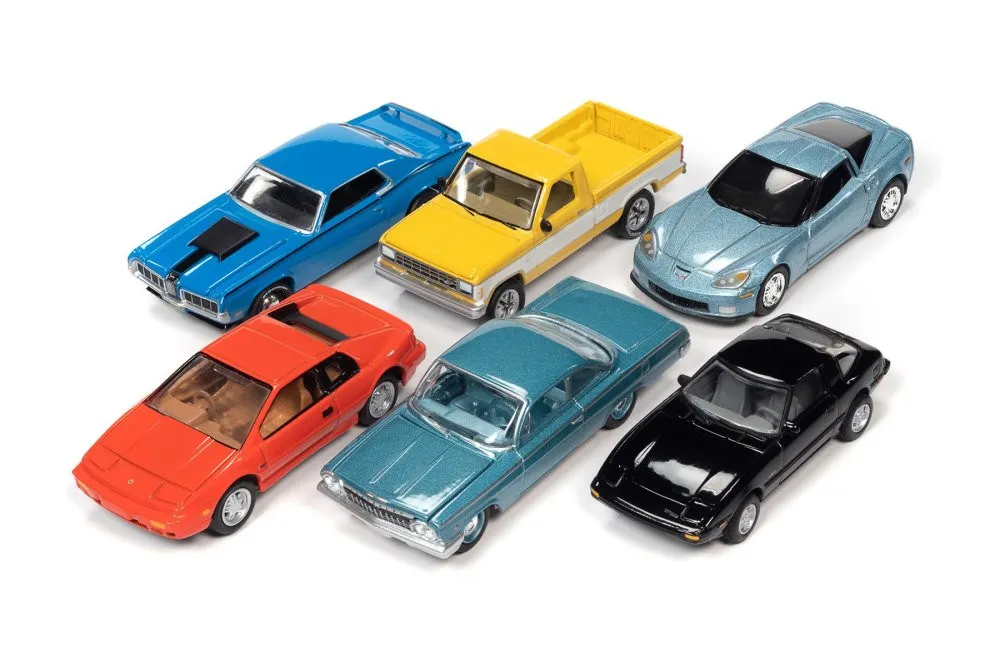
What is Gold Diecast and Why Collect?
Gold diecast cars represent a unique segment within the world of model car collecting. These aren’t simply toys; they are miniature replicas of automobiles, often made with meticulous detail and a touch of luxury. The ‘gold’ aspect can refer to various elements, from actual gold plating or detailing to a color scheme inspired by the precious metal. The appeal of collecting these models stems from a combination of factors, including the aesthetic beauty, the investment potential, and the sheer joy of owning a finely crafted piece. For many collectors, gold diecast cars offer a tangible connection to automotive history and a way to appreciate the artistry of design and manufacturing.
The Allure of Gold Diecast Cars
The allure of gold diecast cars is multifaceted, drawing collectors in with their elegance and sophistication. The association with gold, a symbol of wealth and prestige, immediately elevates these models. The visual impact of a gold-accented or gold-colored diecast car is undeniable, catching the eye and sparking admiration. Beyond the aesthetic appeal, these models often represent rare or limited editions, adding to their exclusivity and collectibility. The level of detail, from the meticulously replicated interiors to the precise paintwork, further enhances their desirability. Gold diecast cars also offer a glimpse into automotive history, representing iconic vehicles and significant moments in design and engineering. The combination of beauty, rarity, and historical significance makes them highly sought after.
History and Evolution of Gold Diecast

The history of gold diecast cars mirrors the evolution of the diecast model industry itself. Early diecast models, often simple and mass-produced, gradually evolved into highly detailed replicas. The use of gold, whether in paint, plating, or as a design element, became a way to add a touch of luxury and differentiation. The evolution of manufacturing techniques allowed for increasingly intricate designs and more realistic finishes, enhancing the appeal of these models. Over time, specific manufacturers began to specialize in producing high-end gold diecast cars, catering to a growing market of serious collectors. The inclusion of gold details often coincided with the rise of limited edition models and collaborations with renowned automotive brands, further solidifying their status as premium collectibles. The models have also become great investment, with some models increasing their value over the years.
Identifying Gold Diecast Cars Top Features
Identifying the top features of a gold diecast car is crucial for discerning collectors. The most apparent feature is often the use of gold itself, whether as the primary color or as an accent. Beyond the visual appearance, the level of detail is a key indicator of quality. Look for features like accurately replicated interiors, detailed engine compartments, and realistic wheels and tires. The overall build quality, including the fit and finish of the parts, is also important. Authentic gold diecast cars often have a substantial feel, reflecting the quality of the materials used. Packaging and presentation can also be indicators of quality, with premium models often coming in specially designed boxes with certificates of authenticity. Moreover, the detailing on these models requires careful attention to features such as the grilles, emblems, and headlights, which should be finely rendered.
Materials and Craftsmanship
The materials and craftsmanship are fundamental to the quality of any gold diecast car. Diecast metal, typically zinc alloy, forms the base, providing weight and durability. The precision of the casting process determines the accuracy of the model’s shape and details. The paintwork, including the application of gold or gold-toned finishes, is critical, often involving multiple layers and careful detailing. High-quality models will use durable, non-fading paints and precise application techniques. The assembly of the model is also important; parts should fit together seamlessly, with no gaps or imperfections. The use of other materials, such as rubber tires, plastic interior details, and sometimes even real fabric for seatbelts, further enhances realism. The overall craftsmanship reflects the skill and attention to detail of the manufacturer, impacting the model’s value and appeal.
Scale and Detailing

The scale and detailing of a gold diecast car significantly influence its value and collectibility. Common scales include 1:18, 1:24, and 1:43, with the larger scales typically offering more room for detail. The detailing encompasses everything from the exterior body lines and features to the interior components. Look for finely detailed dashboards, seats, steering wheels, and other interior elements. The engine compartment should include replicated engine parts, hoses, and wires. Exterior details, such as badges, lights, and trim, should be accurately represented. The quality of the paintwork, including the application of gold finishes, is crucial. Collectors often appreciate features like opening doors, hoods, and trunks, which allow for a closer inspection of the detailed interior and engine components. The combination of scale, detailing, and overall build quality determines the model’s realism and desirability.
Spotting Authentic Gold Diecast
Spotting an authentic gold diecast car requires careful examination and a keen eye for detail. Counterfeit models can be convincing, so it’s essential to be vigilant. Start by examining the overall build quality; authentic models will have a high level of fit and finish, with no visible imperfections. Check the paintwork for consistency, evenness, and the quality of the gold finish; look for any signs of bubbling or fading. Inspect the detailing, including interior components, engine details, and exterior features, for accuracy and realism. Examine any markings or labels on the model or its packaging, paying attention to the manufacturer’s name, model details, and scale. Research the model online to compare it with known authentic examples, and look for any inconsistencies or red flags. Be wary of models that appear too good to be true, especially those offered at unusually low prices. Consider any accompanying documentation, such as certificates of authenticity, which can help verify the model’s authenticity. Purchasing from reputable dealers or auction houses with a proven track record is also advisable.
Key Indicators of Authenticity
Several key indicators can help you determine the authenticity of a gold diecast car. The manufacturer’s reputation is a significant factor; well-known brands often have a higher level of quality control and are less likely to produce counterfeit models. The model’s packaging and documentation are also important; authentic models usually come with a well-designed box and may include a certificate of authenticity or other supporting information. The overall build quality, including the materials used, the fit and finish of the parts, and the detailing, is critical. Check for any inconsistencies or imperfections in the paintwork, detailing, or assembly. Research the model online to compare it with images of authentic examples, and pay attention to any known variations or details. Verify the model’s markings and labels, ensuring they match the manufacturer’s specifications. Assess the seller’s reputation and consider purchasing from reputable sources, such as established dealers or auction houses. When in doubt, seek expert advice to help authenticate the model.
Avoiding Counterfeits

Avoiding counterfeits is crucial to protect your investment and ensure you’re purchasing a genuine gold diecast car. Start by researching the model you intend to buy, familiarizing yourself with its authentic features, and potential variations. Be cautious of offers that seem too good to be true, as these may indicate a counterfeit. Purchase from reputable dealers or auction houses with a proven track record and a guarantee of authenticity. Inspect the model carefully before making a purchase, paying close attention to the build quality, detailing, and paintwork. Verify any documentation that accompanies the model, such as a certificate of authenticity. Ask the seller questions about the model’s history and origin, and be wary of evasive or unclear responses. Check for any inconsistencies between the model and known authentic examples. If you’re unsure, seek expert advice from a professional appraiser or collector. By taking these precautions, you can minimize the risk of purchasing a counterfeit and safeguard your collection.
Where to Find Gold Diecast Cars
Finding gold diecast cars requires exploring various avenues, each with its unique advantages. Online marketplaces offer a vast selection of models from different sellers, providing convenience and competitive pricing. Speciality diecast car dealers often have a curated selection of high-quality models, including gold variants, and can provide expert advice. Auctions, both online and in person, can be a great place to find rare or vintage gold diecast cars, but require careful research and due diligence. Collectible shows and conventions bring together collectors and dealers, offering opportunities to see models in person and make direct purchases. Local hobby shops and antique stores may have a selection of gold diecast cars, offering a chance to discover hidden treasures. Consider the reputation of the seller, the authenticity of the model, and the overall condition before making a purchase. Combining these resources can lead you to discover the most desirable gold diecast cars.
Online Marketplaces and Dealers
Online marketplaces and specialized dealers offer the most convenient and accessible routes for acquiring gold diecast cars. Marketplaces provide a vast selection from diverse sellers, often at competitive prices. However, due diligence is necessary to verify the authenticity and condition of the models. Specialized dealers often have a curated selection, focusing on quality and rarity, and can provide expert advice and authentication. When using online marketplaces, check seller ratings and reviews, ask for detailed photos and descriptions, and clarify the return policy. Look for dealers with a strong reputation and a commitment to customer service. Compare prices, considering the model’s rarity, condition, and any accompanying documentation. Many dealers provide detailed information about the models, including their history, specifications, and any known flaws. By leveraging these resources, you can find the gold diecast cars you want while minimizing risks.
Auctions and Collectibles Shows

Auctions and collectibles shows present unique opportunities to discover gold diecast cars, offering a chance to acquire rare and vintage models. Auctions, both online and live, can feature a wide array of models, often with competitive bidding. Research the auction house’s reputation and review the model’s condition and provenance before bidding. Collectibles shows and conventions bring together collectors and dealers from around the world, providing a chance to see models in person and make direct purchases. These events offer the opportunity to network with other collectors, learn about market trends, and potentially find hidden gems. Before attending, research the show’s exhibitors and planned activities to make the most of your time. Inspect the models carefully, ask questions about their history and condition, and compare prices from different sellers. Auctions and collectibles shows can be rewarding, allowing you to acquire rare and valuable gold diecast cars.
Building and Maintaining Your Collection
Building and maintaining a gold diecast car collection requires careful planning and a commitment to preservation. Start by defining your collecting goals, considering factors such as your budget, preferred brands, and specific models. Research the market to understand the value of the models you’re interested in and stay informed about market trends. Keep detailed records of your collection, including the models, their purchase prices, and any relevant documentation. Establish a budget and stick to it, prioritizing models that align with your collecting goals. Develop relationships with reputable dealers, auction houses, and other collectors to stay informed about new acquisitions and market developments. Regularly assess the value of your collection and consider obtaining insurance to protect your investment. Taking care of your gold diecast cars is equally important, safeguarding their condition and value for years to come.
Storage and Display Tips
Proper storage and display are essential for protecting your gold diecast car collection. Store your models in a cool, dry place away from direct sunlight and extreme temperatures, which can damage the paint and materials. Avoid storing them in attics, basements, or garages where humidity and temperature fluctuations can be high. Display your models in a dust-free environment, using display cases or shelves to protect them from dust and accidental damage. Consider using UV-protective display cases to shield them from harmful sunlight. Avoid touching the models excessively, as oils from your skin can damage the paint and finish. Handle them with care, using gloves if necessary. Consider the aesthetics of your display, arranging the models in a visually appealing way. Regular dusting is recommended to keep the models clean and prevent dust buildup. By implementing these storage and display tips, you can help preserve the beauty and value of your gold diecast car collection.
Cleaning and Preservation

Cleaning and preservation are crucial for maintaining the appearance and value of your gold diecast cars. Dust your models regularly with a soft, dry brush or cloth to prevent dust buildup. Avoid using water or harsh chemicals, which can damage the paint and finishes. If necessary, use a mild soap and water solution, applying it with a soft cloth and drying the model immediately. For stubborn stains, consider using a specialized model car cleaner. Protect the model from scratches and abrasions by storing it in a protective case or display. Avoid exposing the models to excessive heat or sunlight, which can cause fading or damage. Handle the models with clean hands or gloves to prevent transferring oils or dirt. Regular maintenance will help preserve the beauty and value of your gold diecast cars, keeping them looking their best for years to come.
Value and Investment Potential
Gold diecast cars can hold significant value, making them an attractive investment for collectors. The value of these models depends on various factors, including rarity, condition, manufacturer, and demand. Limited edition models and those with unique features or historical significance often command a premium. The condition of the model is crucial, as mint-condition models are generally worth more than those with imperfections. The manufacturer’s reputation and the level of detail also influence value. The overall demand for gold diecast cars and the broader collectibles market can affect their value. Collectors can also consult price guides, auction results, and market analysis to assess the value of the models. However, as with any investment, there is a risk involved, and the value of gold diecast cars can fluctuate. Diversifying your collection and conducting thorough research can help mitigate this risk. Understanding the factors that influence value will enable you to make informed decisions and protect your investment.
Factors Affecting Value
Several factors significantly impact the value of gold diecast cars. Rarity is a primary driver of value; limited-edition models or those with a low production run are generally more valuable. The condition of the model is also critical; mint-condition models with no imperfections command a premium. The manufacturer’s reputation influences value, with models from well-known brands or those with exceptional craftsmanship often being more valuable. Historical significance also contributes to the value; models representing iconic vehicles or important moments in automotive history can be highly sought after. Demand plays a vital role in determining value, with models that are highly desirable among collectors generally fetching higher prices. The availability of documentation, such as certificates of authenticity or original packaging, can enhance value. Finally, market trends, economic conditions, and the broader collectibles market can impact the value of gold diecast cars. Taking all these factors into consideration will help you assess the value of gold diecast cars.
The Future of Gold Diecast Cars

The future of gold diecast cars looks promising, with continued interest from collectors and enthusiasts. The trend towards detailed replicas and limited editions is likely to continue, attracting both new and seasoned collectors. Advancements in manufacturing techniques could lead to even more realistic and intricate models. The rise of online marketplaces and digital platforms will likely increase the accessibility of gold diecast cars, expanding the collector base. As the interest in classic and iconic automobiles remains, gold diecast cars representing those vehicles will likely retain their value and desirability. Collectors are increasingly seeking unique, high-quality models. The future of gold diecast cars will depend on the ability of manufacturers and the collectors to adapt to changing market dynamics. As the collectible market grows, gold diecast cars will remain a sought-after item for both investment and enjoyment.