Choosing the Right Storage Solutions
For any collector, the preservation of their prized possessions is paramount. Diecast cars, with their intricate details and sentimental value, require careful storage to maintain their condition and worth. Choosing the best storage solution involves considering various factors, from environmental conditions to accessibility and display preferences. This guide explores five top storage options, helping you safeguard your collection for years to come. The best approach depends on your specific collection size, budget, and the space you have available. Proper storage not only protects your cars from damage but also enhances their visual appeal and your enjoyment of the hobby.
Display Cases
Display cases are a fantastic way to showcase your diecast cars while simultaneously protecting them. They offer both aesthetic appeal and a practical storage solution, allowing you to admire your collection daily. Display cases come in various styles and materials, each with its own advantages. Display cases are usually the first choice for collectors, as it allows them to display their collection without the risk of dust and other possible hazards.
Types of Display Cases

There are two primary types of display cases that are commonly used by collectors. They both offer protection from dust and can be found in various shapes and sizes. The options for display cases are almost limitless, so finding the correct one for you should not be a problem.
Acrylic Display Cases
Acrylic cases are popular due to their clarity, allowing for excellent visibility of your collection. They are lightweight, durable, and offer good protection against dust and UV light. Acrylic cases are also relatively affordable and come in various sizes and configurations, from individual car cases to larger multi-car displays. The main drawback is that they can scratch easily, so careful handling is necessary. These cases provide great visual clarity, allowing you to showcase your models beautifully. (Image: acrylic-display-case.webp)
Glass Display Cases
Glass display cases offer a classic and elegant look, with a higher level of durability than acrylic. They provide excellent protection and are less prone to scratching. Glass cases can be more expensive and heavier, requiring sturdier mounting or placement. They also require regular cleaning to maintain clarity. They often come with features like built-in lighting to highlight the models, and are a great choice for serious collectors (Image: glass-display-case.webp).
Display Case Considerations
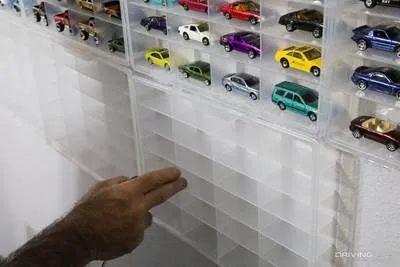
When choosing a display case, consider the size of your collection, the available space, and the level of protection required. Think about features like UV protection, which prevents fading from sunlight, and ease of access for cleaning and rearranging your cars. Consider the aesthetic of the case, ensuring it complements your collection and the room’s decor.
Protecting from Dust, Light, and Damage
Whether you choose acrylic or glass, the primary goal is to protect your diecast cars. Both dust and direct sunlight can damage the paint and decals, reducing the value and visual appeal. Make sure the case seals well to keep dust out. Consider the location of the display case, avoiding direct sunlight and high-traffic areas where the cars could be bumped or knocked over.
Shelves and Cabinets
Shelves and cabinets are versatile storage options that can accommodate large collections. They offer more flexibility in terms of display and accessibility, allowing you to arrange and rearrange your cars easily. Shelves and cabinets are suitable for both casual collectors and serious enthusiasts looking to organize and showcase a vast array of models.
Types of Shelves and Cabinets

Wall-Mounted Shelves
Wall-mounted shelves are space-saving and can be customized to fit any wall space. They are ideal for displaying individual cars or small groupings. Ensure the shelves are sturdy enough to hold the weight of the cars and that they are securely mounted. They offer a minimalist look and make your collection a part of your room’s decor. (Image: wall-mounted-shelves.webp)
Freestanding Cabinets
Freestanding cabinets offer enclosed storage, providing greater protection from dust and light. They come in various styles, from simple open shelves to glass-fronted cabinets with doors. Choose a cabinet with adjustable shelves to accommodate different car sizes and display preferences. Cabinets can also include drawers for storing related accessories or paperwork.
Shelving & Cabinet Considerations

When selecting shelves or cabinets, consider the material (wood, metal, glass), the weight capacity, and the overall design. Ensure the shelves are deep enough to accommodate the cars and that there is adequate space between shelves. If you choose a cabinet, look for features like adjustable shelves, glass doors for visibility, and a sturdy construction. Consider adding LED lighting to highlight your collection and enhance its visual appeal.
Individual Protective Cases
Individual protective cases are excellent for safeguarding valuable or rare diecast cars. They provide a high level of protection against physical damage, dust, and UV light. These cases are ideal for long-term storage or for transporting cars safely. They are a must have for the serious collector who may need to move cars often.
Types of Protective Cases
Clamshell Cases

Clamshell cases are typically made of clear plastic and snap shut to enclose the car completely. They are easy to use, relatively inexpensive, and provide good protection against dust and handling. While they offer basic protection, they may not be as robust as other options for more delicate models. They offer great protection from handling and other possible damages. (Image: protective-cases.webp)
Plastic Cases
Rigid plastic cases offer superior protection and are designed to withstand impacts and prevent damage. They often feature a custom-fit interior to hold the car securely. These cases are the best choice for shipping or storing valuable cars. Plastic cases are considered to be the best option for the safety of your collection.
Protective Case Considerations
When choosing individual protective cases, consider the size and shape of your cars. Ensure the case fits snugly but does not put pressure on the model. Look for cases made of archival-quality materials to prevent yellowing or degradation over time. For valuable cars, consider using acid-free materials to prevent any potential damage from the case itself.
Storage Boxes and Bins

Storage boxes and bins offer a practical and cost-effective way to store a large collection of diecast cars. They are especially useful for cars that are not currently on display or are part of a rotating collection. Storage boxes keep your cars organized and protected from dust, light, and physical damage. It is always a good idea to have a storage option available.
Types of Storage Boxes and Bins
Plastic Storage Bins
Plastic storage bins are durable, stackable, and easy to clean. They come in various sizes, allowing you to organize your collection by scale, make, or model. Choose bins with secure lids to protect against dust and moisture. Clear bins allow you to see the contents without opening them, simplifying organization. (Image: plastic-storage-bins.webp)
Cardboard Boxes
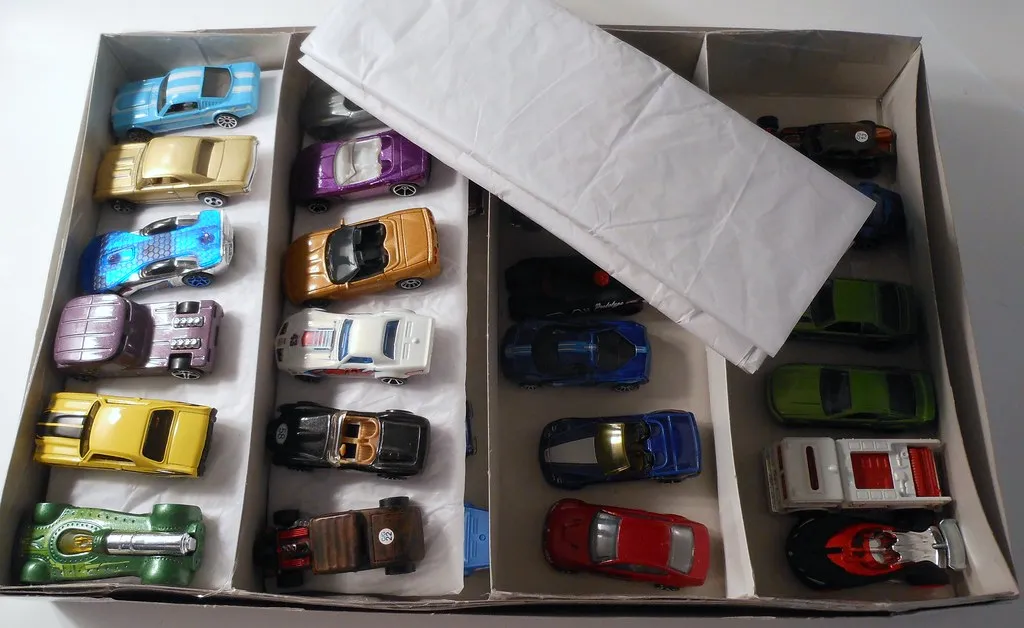
Cardboard boxes are a more affordable option, but they offer less protection than plastic bins. They are suitable for temporary storage or for cars that are not particularly valuable. Use acid-free boxes and line them with acid-free tissue paper to protect the cars from damage. Be cautious about storing cardboard boxes in damp environments, as they can attract moisture and damage your cars.
Storage Box & Bin Considerations
When using storage boxes and bins, consider using dividers or dividers to organize your collection. Label each box clearly with its contents for easy identification. Store the boxes in a cool, dry, and dark place to minimize damage. Regularly check your stored cars for any signs of damage or deterioration, especially if the storage area is not climate-controlled.
Climate Control
Climate control is essential for long-term preservation of your diecast car collection. Fluctuations in temperature and humidity can cause damage to the paint, decals, and metal components of the cars. Climate control ensures a stable environment, protecting your investment and preserving the value of your collection. Climate control is critical for maintaining the quality of the collection.
Why Climate Control Matters
Extreme temperatures and humidity can cause paint to crack, decals to peel, and metal components to rust or corrode. High humidity encourages the growth of mold and mildew, which can damage the cars. Direct sunlight, often combined with heat, can also fade colors and degrade the plastic components. Climate control helps mitigate these risks, ensuring your cars remain in pristine condition.
Ideal Conditions for Diecast Cars
The ideal storage environment for diecast cars is a consistent temperature between 65-75°F (18-24°C) and a relative humidity of 40-50%. Avoid direct sunlight and ensure good air circulation. These conditions will help prevent damage from temperature and humidity fluctuations, ensuring the longevity and value of your collection. A stable environment is critical for a long-lasting collection.
Climate Control Solutions
For large collections, a climate-controlled room or storage unit is the best solution. For smaller collections, consider using a dehumidifier or a humidifier to maintain a stable humidity level. Avoid storing your collection in attics, basements, or garages, as these areas are prone to temperature and humidity fluctuations. Using a climate-controlled environment is the best way to guarantee the safety of your collection. (Image: climate-controlled-storage.webp)