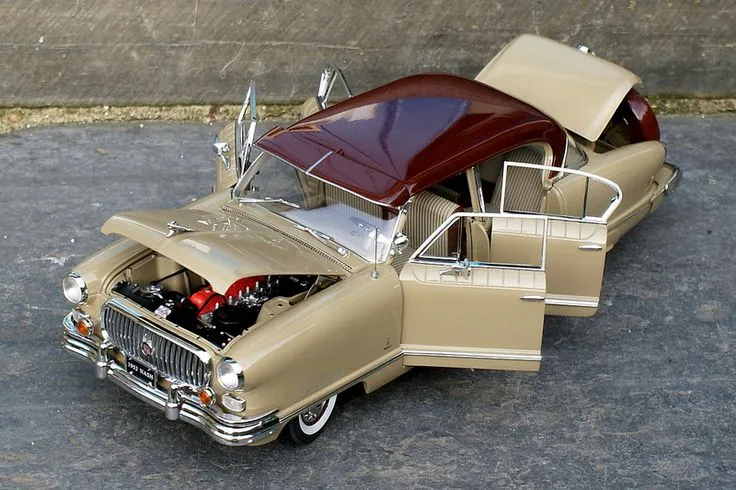
The Allure of Diecast Cars
Diecast cars have captivated enthusiasts of all ages for generations. These miniature marvels are more than just toys; they are meticulously crafted replicas of real-life vehicles, offering a unique blend of nostalgia, artistry, and collectibility. The appeal of diecast cars lies in their ability to transport us back to cherished memories, celebrate automotive history, and provide a tangible connection to the world of automobiles. From the gleam of the paint to the intricate details, diecast cars offer a captivating experience for collectors and casual admirers alike, making them a beloved hobby worldwide. The hobby transcends age, gender, and background; the love for these miniature cars brings people together through a shared passion.
The History of Diecast Cars
The origins of diecast cars can be traced back to the early 20th century. Initially, these models were simple toys, but advancements in manufacturing techniques and materials led to a surge in their popularity. The evolution of diecast cars reflects the progress in technology and design over the years. Early diecast models were often made from materials like lead or zinc alloy, evolving into the more durable and detailed models we see today. This development in production techniques allowed for more realistic representations of vehicles, making them more appealing to collectors and enthusiasts.
Early Production and Materials

The very first diecast cars were basic and crude compared to today’s standards. They were typically made from a combination of materials like lead and tin. These initial production methods focused on simplicity, allowing for mass production and affordability. The focus at the time was mainly on creating durable toys that could withstand the rigors of play. The materials and techniques of the time influenced the basic look and feel, setting a base for the evolution to come.
The Rise of Popular Brands
As manufacturing methods improved, certain brands began to dominate the market, establishing themselves as leaders in the industry. Brands like Dinky Toys and Corgi quickly became household names, known for their quality and realism. These brands invested in precision and detail, gradually setting the standard for the market. Their success also spurred innovation, with brands constantly trying to outdo each other in realism and the incorporation of additional features, such as opening doors and detailed interiors.
Amazing Fact 1 Diecast Cars Are Highly Detailed
One of the most remarkable aspects of diecast cars is the level of detail incorporated into their design. From the intricate interior details to the realistic paint jobs and accurate body lines, these miniature vehicles are engineered to mirror their full-sized counterparts. This meticulous attention to detail is what makes them so appealing to collectors and enthusiasts, who appreciate the craftsmanship and accuracy involved in their creation. Many diecast cars have detailed engine components, instrument panels, and even tiny logos, illustrating the incredible precision of the manufacturing process.
Manufacturing Techniques and Precision

The production of diecast cars involves several advanced manufacturing techniques to achieve the level of detail seen in these models. These methods include die-casting, which involves injecting molten metal into molds, as well as precision painting, pad printing for logos and details, and the use of various other materials like plastic and rubber for other parts. These techniques ensure that each miniature car is a faithful reproduction of the original vehicle, from the shape of the body to the smallest interior details.
The Scale and Proportion
Diecast cars come in various scales, with the most popular being 1:18, 1:24, and 1:43. These scales determine the proportion of the model to the real car. The chosen scale affects the level of detail and the size of the model, allowing collectors to choose what fits their preferences and available space. The smaller the scale, the more compact the model, making them easier to collect and display. No matter the scale, the objective is to maintain accurate proportions, capturing the essence of the original vehicle.
Amazing Fact 2 Diecast Cars Represent Real Vehicles
Diecast cars provide a tangible link to the world of automobiles, representing a wide array of real-world vehicles. From classic cars to modern supercars, these models allow enthusiasts to own and appreciate miniature versions of their favorite vehicles. The appeal lies in the fact that they accurately capture the design, features, and characteristics of their full-sized counterparts, offering a snapshot of automotive history and innovation. Each model tells a story, representing a moment in time and the evolution of design and technology.
Iconic Models and Their Stories

Many diecast cars replicate iconic vehicles that have left an indelible mark on automotive history. These models represent cars that have shaped the industry, influenced design, and captured the imagination of car enthusiasts worldwide. Each vehicle carries its own unique story, whether it’s a legendary race car, a classic muscle car, or a timeless luxury sedan. Collectors often seek models that are associated with specific eras, races, or cultural moments, enriching their collections with a connection to automotive history.
The Importance of Authenticity
For collectors, the authenticity of a diecast car is of paramount importance. The accuracy of the model’s details, paint job, and features directly affects its value and desirability. Authentic models are crafted with meticulous attention to detail, ensuring that they accurately represent the original vehicle. This includes the correct logos, emblems, and interior details. Collectors look for models that are true to the original specifications, and that also hold the highest value, making this aspect a vital part of the hobby.
Amazing Fact 3 Diecast Cars Are Collectible
The collectibility of diecast cars is a significant aspect of their appeal. Many factors drive this, including rarity, limited production runs, and the emotional connection enthusiasts have to their vehicles. Rare models, especially those in mint condition, can fetch substantial prices, turning a passion into a valuable investment. The joy of collecting comes from the thrill of the hunt, the appreciation of craftsmanship, and the opportunity to connect with like-minded individuals.
The Market and Value

The diecast car market is driven by a complex interplay of factors that influence the value of each model. These factors include the brand, the rarity, the condition, and the level of detail. Limited-edition models and those produced in small quantities often command higher prices, as they are more sought-after by collectors. The overall market is also affected by shifts in consumer preferences, economic conditions, and the rise of online marketplaces, making it a dynamic and evolving sector.
Rarity and Demand
Rarity and demand are major factors that determine the value of diecast cars. Limited-edition models or those with unique features are often highly prized by collectors. Some manufacturers produce special versions of their models, further increasing the potential value. The condition of a model is also vital; mint-condition cars, those that have been impeccably preserved, are highly sought after. As demand grows, prices can increase substantially, making collecting a potentially rewarding hobby.
Amazing Fact 4 Diecast Cars Are for Everyone
The appeal of diecast cars spans across all age groups, making it an accessible hobby for everyone. Diecast cars are not only for children but also for adults. Their detailed craftsmanship and historical significance make them appealing for collectors of all ages. There are a wide variety of models to suit every interest, whether a fan of classic cars, modern sports cars, or vintage trucks. This diversity makes the hobby inclusive and a way to find common ground, with a shared interest in cars and the pleasure of collecting.
Diecast Cars and Children

For children, diecast cars provide a fun and engaging way to stimulate imagination and promote play. The models offer a tangible way to explore the world of vehicles and develop a passion for automobiles from a young age. They also encourage creativity and storytelling through imaginative play. Children are drawn to the variety of styles, colors, and designs of these miniature cars, making diecast cars an enjoyable and educational hobby.
Diecast Cars for Adults
Adults are also enthusiastic collectors, drawn to the detail, historical significance, and collectibility of the models. For adults, diecast cars represent a chance to relive childhood memories, celebrate automotive history, and connect with like-minded individuals. Collecting also provides an opportunity to research cars, learn about their history, and build collections. For many, collecting is a satisfying hobby that offers an escape from the everyday, providing a sense of accomplishment and fulfillment.
Amazing Fact 5 Diecast Cars Represent a Wide Range of Vehicles
Diecast cars represent a vast array of vehicles, spanning different types, models, and eras. This diversity is a core element of their appeal, ensuring that there’s something for everyone to enjoy. The range of options means that collectors can specialize in certain brands, car types, or historical periods, developing collections tailored to their personal tastes.
Cars, Trucks, and More
The world of diecast cars extends far beyond just cars. Collectors can find a large range of models, including trucks, buses, motorcycles, and even construction vehicles. Each type of model offers its own unique characteristics and appeal. Trucks, for example, offer a different aesthetic and represent the utility and power of these vehicles. The wide variety of options ensures that collectors always have new models to explore.
The Diversity of Models
The diversity of diecast cars includes a range of models and scale. There are models of classic cars, modern sports cars, vintage trucks, and more. This range allows collectors to focus on particular interests, such as classic cars, race cars, or specific brands. The options of models enables collectors to curate their collections around their individual tastes. This variety is a defining feature of the hobby, encouraging the expansion of knowledge and appreciation for automotive history.
Amazing Fact 6 Diecast Cars Are Made from Metal
Diecast cars are made from metal, most commonly zinc alloy, which gives them their weight and durability. The use of metal contributes to the realism and tactile feel that collectors appreciate. The metal body provides a sense of quality, while the paintwork enhances the visual appeal. The strength of the metal also allows for complex designs and intricate details that would be difficult to achieve with other materials.
The Importance of Materials
The materials used in diecast cars significantly impact the quality, durability, and overall appearance. Zinc alloy is favored for its strength and ability to capture fine details. Other materials, such as plastic and rubber, are used for tires, interiors, and other components. The selection of the right materials is critical in the manufacturing process and a factor for the final product’s value.
Zinc Alloy and Other Metals
Zinc alloy is the most common material used in the production of diecast cars. This alloy offers a balance of strength, durability, and the capacity to capture fine details. The die-casting process, which uses molten zinc alloy, allows for precise replication of the vehicle’s features. Other metals, like aluminum, may be used for certain models or parts, further enhancing the authenticity and quality.
Amazing Fact 7 Diecast Cars Are More Than Toys
Diecast cars are more than simple toys; they are a gateway to a world of collecting, history, and art. They represent a tangible link to automotive history, offering a way to own and appreciate miniature versions of iconic vehicles. The hobby goes beyond casual enjoyment and allows collectors to learn about cars, connect with other enthusiasts, and build something of lasting value.
The Art of Collecting
Collecting diecast cars is an art, demanding skill, passion, and an eye for detail. Collectors often specialize in particular brands, models, or eras, using their knowledge to discover and evaluate rare pieces. The act of collecting becomes a passion, allowing collectors to express their individuality and share their love of cars. Building a collection gives a sense of purpose and enjoyment, and a chance to connect with history.
Displaying and Preserving Your Collection
Displaying and preserving a diecast car collection is an important part of the hobby. Collectors invest in display cases, storage solutions, and conservation techniques to protect their cars. Careful display not only shows off the beauty of the cars but also protects them from damage, preserving their value. Taking care to preserve the condition of your collection is a sign of the passion for the hobby, and a testament to the appreciation of the cars.
Conclusion The Future of Diecast Cars
Diecast cars continue to captivate enthusiasts around the world. As technology and design progress, the level of detail, realism, and collectibility will continue to improve. The future of diecast cars seems bright, with new innovations and increasing popularity. Diecast cars are not just toys; they’re artifacts of history, miniature works of art, and a hobby enjoyed by people of all ages. As long as there are cars and people who love them, diecast cars will continue to be a beloved part of our world.