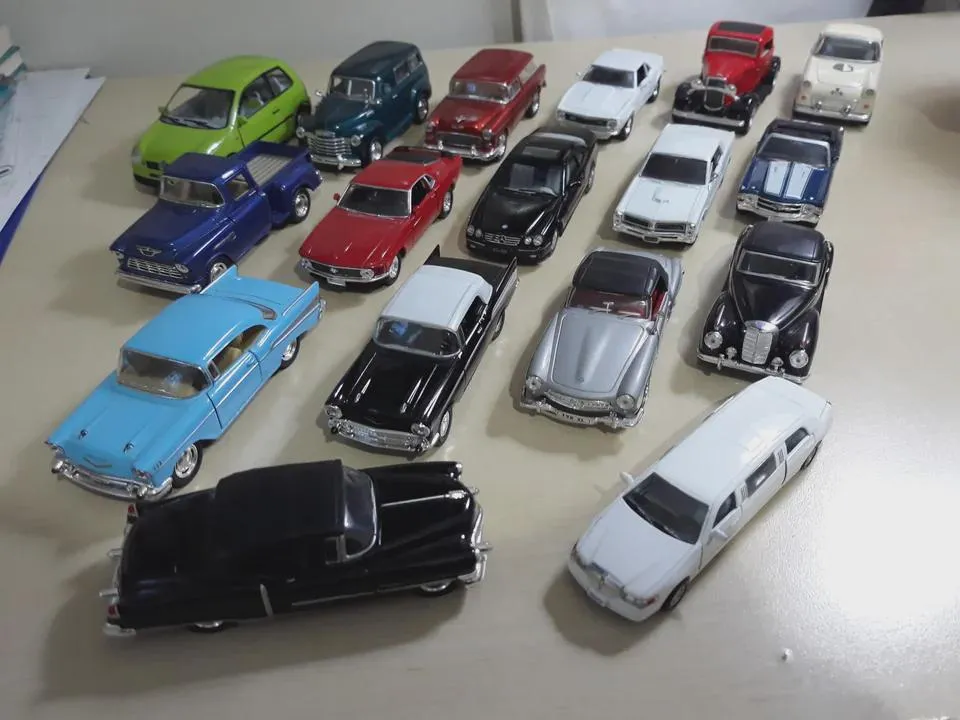
Why Collect Diecast Collectables
Diecast collectables offer a unique blend of nostalgia, craftsmanship, and investment potential, making them a popular hobby for enthusiasts worldwide. The allure of these miniature replicas extends beyond mere aesthetics, providing a tangible link to history, automotive design, and personal interests. Whether you’re a seasoned collector or just starting, the world of diecast collectables has something to offer. This guide will help you navigate the exciting world of diecast cars, providing you with the knowledge and resources to build a fulfilling and rewarding collection. Explore the history, craftsmanship, and community surrounding these miniature marvels, and discover why diecast collecting is more than just a hobby; it’s a passion.
The Appeal of Diecast Collectables
The appeal of diecast collectables is multifaceted, drawing enthusiasts in for various reasons. For many, it’s a nostalgic journey back to childhood memories, reliving the excitement of favorite cars. Others are drawn to the intricate detailing and craftsmanship, appreciating the miniature engineering feats. Diecast models offer a tangible way to connect with automotive history, with each piece representing a specific vehicle, era, or cultural significance. Moreover, these collectables can be a source of financial investment, with certain models appreciating in value over time. The hobby fosters a sense of community among collectors, creating opportunities for sharing knowledge and connecting with like-minded individuals. The appeal of diecast cars combines history, engineering, investment and community.
Factors that Drive Collectability

Several factors influence the collectability and value of diecast models. Rarity plays a crucial role; limited edition models or those produced in small quantities are often highly sought after. The level of detail and craftsmanship significantly impacts value, with models featuring intricate interiors, realistic paint jobs, and precise engine replicas commanding premium prices. The condition of the model and its original packaging also contribute to its worth, as mint-condition pieces are generally more desirable. Popularity of the vehicle, brand recognition, and historical significance also play a role. Models representing iconic cars or those associated with significant events tend to be more valuable. Certain brands, such as Hot Wheels, Matchbox, and rarer European brands, also have devoted followings that drive up prices.
Getting Started with Diecast Collectables
Embarking on your diecast collecting journey requires careful planning and consideration. Start by determining your collecting focus; this could be based on car type, manufacturer, scale, or era. Defining your niche will help you narrow your search and build a cohesive collection. Research the different scales available, ranging from 1:18 to 1:64, to understand their size and level of detail. Familiarize yourself with different diecast materials, such as die-cast zinc alloy, to assess their quality. Budgeting is also important; set a realistic spending limit and explore various purchasing options. Lastly, join online forums or collecting clubs to connect with other enthusiasts, learn from their experiences, and gain valuable insights into the world of diecast collecting.
Determining Your Collecting Focus
One of the first and most crucial steps in diecast collecting is determining your focus. This helps you build a collection that aligns with your interests and prevents you from spreading your resources too thinly. Consider your personal preferences and passions. Do you have a favorite car make, such as Ferrari or Ford? Are you drawn to a specific car type, like classic muscle cars or modern sports cars? Do you have an interest in a particular era, such as the 1960s or the present day? Your focus can also be based on scale (1:18, 1:24, 1:64, etc.) or specific models. By defining your collecting focus, you create a roadmap that guides your purchases, making your collecting experience more enjoyable and rewarding. This focus ensures you build a collection with a cohesive theme and purpose.
Researching and Choosing Your Scale

Diecast models are available in various scales, each offering a different level of detail and size. The scale refers to the ratio between the model and the actual vehicle. The most common scales include 1:18, 1:24, 1:43, and 1:64. Larger scales, such as 1:18, provide more intricate details but require more display space and often come with a higher price tag. Smaller scales, like 1:64, are more affordable and take up less room, making them ideal for new collectors or those with limited display space. Researching the scales helps you to determine which one best suits your interests, budget, and available display space. Consider the level of detail, price range, and availability of models in each scale. You can also consider collecting a variety of scales to diversify your collection, but starting with a single scale can help maintain focus.
Understanding Different Diecast Materials
Diecast models are typically made from die-cast zinc alloy, a metal that allows for detailed molding and intricate designs. However, you’ll encounter various other materials used in the construction. Plastic is commonly used for interior parts, tires, and some exterior details. Rubber is utilized for tires, providing a realistic look and feel. Some models incorporate resin for high-detail parts. The quality of materials significantly affects the model’s durability, appearance, and value. Higher-end models often use more advanced materials and manufacturing techniques. Understanding these materials allows you to assess the quality of a model and appreciate the craftsmanship involved. Paying attention to the materials used ensures that your collection consists of well-made and lasting pieces. The choice of materials impacts everything from the model’s look and feel to its long-term preservation.
Where to Buy Diecast Collectables
Acquiring diecast collectables involves exploring different purchasing channels. The online marketplaces, specialty shops, and diecast shows all provide unique opportunities. Each has its advantages and disadvantages, from selection and pricing to community and authenticity. Understanding these options allows you to make informed decisions and build a diverse and valuable collection. Online marketplaces are convenient for finding a wide variety of models and comparing prices. Specialty shops offer expert advice and carefully curated selections. Diecast shows provide unique opportunities to find rare items and interact with fellow collectors. Combining these options, you can discover the perfect pieces to build your collection.
Online Marketplaces

Online marketplaces like eBay, Amazon, and specialized diecast websites provide convenient access to a vast selection of models. They offer competitive pricing, a wide variety of brands and models, and the ability to compare options from different sellers. However, you must exercise caution. Before purchasing, check the seller’s feedback and reviews to ensure reliability. Carefully examine product descriptions and photos to assess the model’s condition. Be aware of potential shipping costs and import duties. Take advantage of the protection policies offered by each platform. This helps you to protect yourself from fraud. While online marketplaces offer convenience, it’s important to be an informed consumer to ensure a satisfying and secure buying experience. Proper research and due diligence are crucial for a successful purchase.
Specialty Diecast Shops
Specialty diecast shops provide a curated selection of models and expert advice. These stores often carry a wide range of products, from rare and vintage pieces to the latest releases. The staff has in-depth knowledge of the hobby, providing valuable insights on specific models. They can assist you in assessing authenticity, condition, and value. Visiting a specialty shop allows you to physically inspect models before purchase and ask questions. It also creates a sense of community among collectors. While prices may be slightly higher than online marketplaces, the expertise and personalized service justify the cost. Many specialty shops also host events or offer services like model repairs. They are also good places to network with other collectors. This enhances your experience and helps build your passion.
Diecast Collectable Shows and Events
Diecast collectable shows and events are ideal for discovering rare models, meeting other collectors, and expanding your knowledge. These shows bring together dealers, collectors, and enthusiasts. They offer a vast selection of models, ranging from common releases to hard-to-find items. Shows provide an excellent opportunity to negotiate prices and find bargains. They offer a chance to connect with fellow collectors, share knowledge, and learn about the hobby. You can often find valuable advice on model restoration and care. Attending these events keeps you connected with the diecast community. The events often host model car contests or auctions, adding to the excitement. Consider them an essential part of the collecting experience and a great way to immerse yourself in the world of diecast models.
Essential Tips for Diecast Collectors

Becoming a successful diecast collector involves understanding the fundamentals of authenticity, storage, and community. Knowing the value of authenticity and the condition of a model ensures a worthwhile investment. Using proper storage techniques helps protect your models from damage, preserving their value. Actively participating in a collecting community offers social and informational benefits. Following these guidelines enhances your collecting experience, preserving your investment and growing your passion. By learning about the key aspects of the hobby, you will learn to protect your collection.
Authenticity and Condition
Authenticity and condition are paramount when evaluating diecast models. Ensuring the model is original and free from alterations or repairs. Examine the packaging for signs of wear, fading, or damage. Assess the model itself for paint imperfections, missing parts, or signs of wear. Higher grades of models are often in original packaging and show no signs of use. Research the model’s history and specifications to confirm its authenticity. Use online resources or consult with experts to identify fake or altered models. Paying attention to these details preserves the value and integrity of your collection. A focus on authenticity and condition is essential. This will ensure a fulfilling and rewarding collecting experience. Your ability to assess these aspects will greatly enhance the value of your collection.
Storage and Display
Proper storage and display are essential for preserving the condition and value of your diecast collectables. Store models in a cool, dry, and dust-free environment away from direct sunlight, which can fade the paint. Consider using display cases or shelves to protect models. Avoid storing them in attics or basements, where temperature and humidity fluctuations can cause damage. Use acid-free materials and protective packaging. Rotate your collection to prevent prolonged exposure to light. Display your models in a way that showcases their details and allows for easy viewing. Proper storage and display protect your models from environmental damage. This will help preserve their condition for years to come. Displaying your collection enhances enjoyment and appreciation of these detailed models.
Joining a Diecast Collecting Community

Joining a diecast collecting community offers numerous benefits, including networking opportunities, access to expert advice, and a platform to share your passion. Online forums, social media groups, and local clubs connect you with fellow enthusiasts. You can exchange knowledge, seek advice, and learn about new releases. These groups often host events, swap meets, and contests. Actively participate in discussions and build relationships with other collectors. This fosters a sense of camaraderie and creates a valuable support system for your hobby. By joining a community, you will enhance your collection and appreciation for the hobby. It also offers you opportunities for learning, sharing, and personal growth within the diecast world. The ability to share your passion is one of the great joys of collecting.
Maintaining and Caring for Your Collection
Maintaining your diecast collection requires a proactive approach. Proper cleaning, preservation, and insurance are essential steps. These measures help protect your investment and guarantee its longevity. This is a continuous process involving regular cleaning, careful handling, and appropriate insurance coverage. By prioritizing these steps, you ensure your collection remains in excellent condition. You also preserve its value for years. The care and attention to detail is the key to preserving your collection.
Cleaning and Preservation Techniques
Regular cleaning and preservation help maintain the appearance and condition of your models. Dust models with a soft brush or microfiber cloth regularly. Use mild soap and water for more thorough cleaning, avoiding harsh chemicals. Avoid excessive exposure to sunlight and humidity. Store models in a controlled environment to minimize the risk of fading or damage. Use protective packaging, such as individual cases or foam inserts, to prevent scratches and dings. Avoid direct handling of models unless necessary. Follow these techniques to help preserve the pristine condition of your collection. These cleaning and preservation techniques protect and enhance the value of your investment.
Insurance and Valuation

Insuring your diecast collectables is crucial to protect your investment. Obtain a professional valuation of your collection to determine its current value. Contact an insurance company that specializes in collectibles to get coverage. Understand your policy’s terms and conditions. This includes coverage for theft, damage, and loss. Keep detailed records of your collection, including photos, receipts, and certificates of authenticity. Regularly update your valuation and insurance coverage to reflect any changes in the value of your collection. By prioritizing insurance and valuation, you safeguard your financial investment. You also ensure your collection is protected from unforeseen events.