What is Diecast?
Diecast models are miniature replicas of vehicles, figures, and other objects, manufactured using a specific metal casting process known as die casting. These models are highly sought after by collectors and enthusiasts of all ages. The diecast process involves injecting molten metal, typically zinc alloy, aluminum, or magnesium, into a mold or die. This process allows for intricate detailing and precise replication, making these models incredibly realistic and detailed. The term “diecast” comes from the process itself, where molten metal is cast into a die, creating a durable and highly detailed product. Diecast models offer a tangible connection to the real world, allowing collectors to own scaled-down versions of their favorite vehicles, historical figures, or even fictional characters. They are more than just toys, they are pieces of art that can be displayed and cherished for years to come.
The Diecast Process A Breakdown
The diecast process is a sophisticated manufacturing technique that allows for the creation of highly detailed and durable models. The process begins with the creation of a die, which is a reusable mold made of steel. This die is designed to precisely match the shape of the desired model. Once the die is ready, molten metal is injected into the die under high pressure. This pressure forces the metal to fill every detail of the mold, resulting in a precise and intricate replica. After the metal cools and solidifies, the die is opened, and the model is ejected. The model then undergoes a series of finishing processes, such as cleaning, painting, and detailing, to enhance its appearance and realism. The entire diecast process is highly efficient, allowing for mass production while maintaining a high level of quality and detail. This makes diecast models an affordable and accessible hobby for many individuals.
Materials Used in Diecast Construction
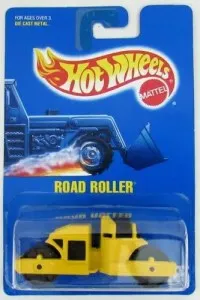
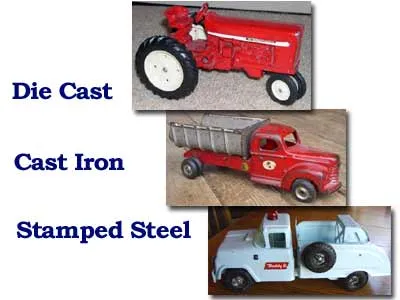
The materials used in diecast model construction play a crucial role in the quality, durability, and overall appearance of the final product. The most common material used is zinc alloy, which provides a good balance of strength, detail, and cost-effectiveness. Zinc alloy is easy to work with and allows for intricate detailing, making it ideal for capturing the fine features of a model. In addition to zinc alloy, other metals are also used in the diecast process. Aluminum is another popular choice, offering lightweight properties and excellent corrosion resistance. Aluminum is often used for larger models or for parts that require high strength. Magnesium is also sometimes used, providing a combination of lightweight and high strength. The choice of material often depends on the specific requirements of the model, such as its size, complexity, and intended use. Plastic components are also commonly used in diecast models, especially for parts like wheels, interiors, and other details.
Zinc Alloy
Zinc alloy is the most widely used material in diecast model manufacturing due to its versatility and affordability. It is a relatively inexpensive metal that can be easily cast into complex shapes, making it ideal for creating highly detailed models. Zinc alloy is known for its good strength, dimensional stability, and ability to accept a variety of finishes, such as paint and plating. It also has a relatively low melting point, which makes it easier to work with during the diecast process. The composition of zinc alloy can vary, but it typically includes zinc, aluminum, magnesium, and copper. These elements are combined to create a material that offers a balance of desirable properties, such as strength, durability, and corrosion resistance. Zinc alloy is a versatile material that can be used for a wide range of diecast models, from cars and trucks to airplanes and trains.
Aluminum
Aluminum is another popular material used in the diecast process, particularly for models that require lightweight properties and excellent corrosion resistance. Aluminum is known for its strength-to-weight ratio, making it ideal for larger models or parts that need to be strong and durable. Aluminum also has a high thermal conductivity, which helps to dissipate heat during the diecast process. This results in faster production times and improved model quality. Aluminum is also highly resistant to corrosion, which is essential for models that may be exposed to moisture or other environmental factors. The use of aluminum in diecast models has increased in recent years as manufacturers strive to create more realistic and durable products. The cost of aluminum is slightly higher than zinc alloy, but its superior properties make it a worthwhile investment for many diecast models.
Magnesium
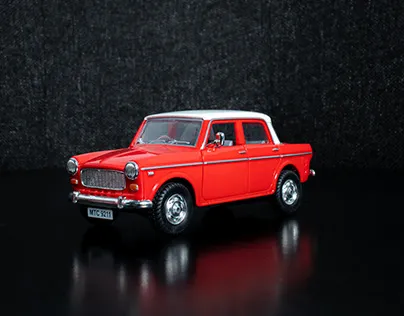
Magnesium is a less common but highly valued material in the diecast process, prized for its exceptional strength-to-weight ratio and excellent dimensional stability. Magnesium is the lightest of all structural metals, making it ideal for models where weight is a critical factor. It also has a high melting point and a low shrinkage rate, which contributes to precise and detailed models. Magnesium is known for its excellent damping properties, which help to reduce vibration and noise. This makes it suitable for models that require a smooth and quiet operation. However, magnesium is more expensive than zinc alloy or aluminum, and the diecast process can be more complex. The use of magnesium in diecast models is typically reserved for high-end models or those requiring exceptional performance. It is often used in combination with other materials to achieve optimal results.
Types of Diecast Models
Diecast models are available in a wide variety of types, catering to diverse interests and preferences. The most popular type of diecast model is undoubtedly cars, ranging from classic automobiles to modern sports cars and trucks. These models often feature detailed interiors, realistic paint jobs, and working features like opening doors and hoods. Another popular category includes aircraft, such as airplanes, helicopters, and military jets. These models are highly sought after by aviation enthusiasts, often showcasing intricate details and accurate representations of real-world aircraft. Diecast trains are also a significant part of the hobby, with enthusiasts collecting locomotives, passenger cars, and freight cars in various scales. These models offer a unique blend of realism and functionality. Other types of diecast models include motorcycles, military vehicles, construction equipment, and even figures and collectibles. The wide range of available models ensures there is something for every collector to enjoy.
Cars
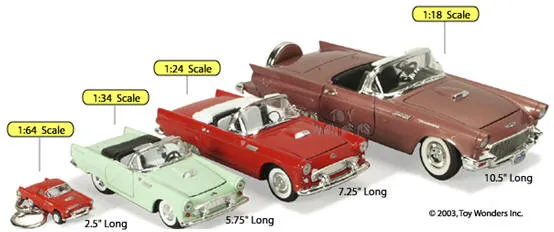
Diecast cars are perhaps the most popular type of diecast model, attracting collectors of all ages and interests. The variety of available models is vast, encompassing everything from classic vintage cars to modern sports cars, trucks, and SUVs. The attention to detail in these models is often remarkable, with manufacturers striving to replicate every aspect of the real-world vehicle, including the interior, exterior, and even the engine. Diecast car models are available in various scales, with 1:18, 1:24, and 1:43 being the most common. These scales allow collectors to choose models that fit their available space and budget. Collectors often focus on specific brands, models, or eras, creating impressive collections that showcase their passion for automobiles. Diecast cars are more than just toys; they are miniature works of art that celebrate the beauty and engineering of the automotive industry. They can be displayed, admired, and cherished for years to come.
Planes

Diecast airplanes are a popular choice for aviation enthusiasts and collectors alike. These models accurately represent a wide range of aircraft, from commercial airliners to military jets and vintage planes. The level of detail in these models is often quite impressive, with manufacturers paying close attention to features like panel lines, rivets, and markings. Diecast airplanes are available in various scales, with 1:200 and 1:400 being common for commercial aircraft, and 1:72 and 1:48 for military aircraft. These scales allow collectors to build impressive displays that showcase their interest in aviation history. Diecast airplanes are a great way to appreciate the engineering and design of aircraft. They provide a tangible connection to the world of flight, allowing enthusiasts to own miniature versions of their favorite planes. These models are often displayed in homes, offices, or dedicated display cases, showcasing the owner’s passion for aviation.
Trains
Diecast trains represent a fascinating segment of the diecast model world, appealing to both collectors and hobbyists who are passionate about railway history and engineering. These models replicate various locomotives, passenger cars, freight cars, and other railway equipment in exquisite detail. The realism of these models is enhanced by features such as working lights, sounds, and intricate interior designs. Diecast train models are available in several scales, with HO scale (1:87) and O scale (1:48) being among the most popular. These scales offer a balance between detail and space requirements, making them suitable for various display setups. Collecting diecast trains is a rewarding hobby that combines history, engineering, and artistic expression. These models allow enthusiasts to create miniature railway empires, complete with detailed landscapes, buildings, and accessories. Diecast trains are a testament to the enduring appeal of railways and the craftsmanship involved in replicating them in miniature form.
Common Scales in Diecast Models
Diecast models are manufactured in a variety of scales, each representing a different ratio of the model’s size to the size of the actual object. The scale of a model is a crucial factor for collectors, as it determines the size of the model and how it will fit into a collection. Some of the most common scales include 1:18, 1:24, 1:43, 1:64, and 1:87 (HO scale). Larger scales, such as 1:18, offer more detail but require more space for display. Smaller scales, such as 1:64 and 1:87, are more compact and are often preferred by collectors with limited space. The choice of scale often depends on the type of model being collected and the collector’s personal preferences. For example, car collectors often favor 1:18 or 1:24 scales, while train enthusiasts commonly collect in HO scale. Understanding the scales is essential for any collector, as it allows them to choose models that fit their collection and meet their display needs. It also facilitates the comparison of models from different manufacturers and ensures consistency in their collection.
Why Diecast Models are Popular
Diecast models have a wide appeal, and several factors contribute to their enduring popularity. They offer a tangible connection to real-world objects, allowing collectors to own miniature replicas of their favorite vehicles, aircraft, and trains. The high level of detail and realistic appearance of diecast models makes them highly desirable for collectors. Diecast models also provide an engaging hobby for people of all ages. The process of collecting, researching, and displaying these models is a source of great satisfaction. The diecast model hobby offers a strong sense of community. Collectors can share their passion with others, exchange information, and participate in events and online forums. Diecast models are often seen as an investment, as the value of certain models can increase over time. Rarity, condition, and the brand of the model all influence its value. Finally, diecast models serve as a way to preserve history. They immortalize significant vehicles and machines that have shaped our world. For all these reasons, diecast models remain a beloved and enduring hobby.
For Collectors
Diecast models hold a special place in the hearts of collectors. For many, collecting diecast models is more than just a hobby; it’s a passion that brings immense joy and satisfaction. Collecting allows individuals to connect with their interests and passions, such as automobiles, aviation, or trains. Diecast models provide a tangible link to the real world, allowing collectors to own and display miniature versions of their favorite vehicles or machines. Collecting diecast models is a rewarding hobby that allows individuals to expand their knowledge, learn about different vehicles and eras, and connect with others who share their passion. It’s a journey of discovery, appreciation, and personal fulfillment. Building a collection is a creative process that can be tailored to individual preferences and interests. The collector gets to select the models, organize them, and display them in a way that reflects their taste and personality. A well-curated collection often becomes a source of pride and a visual representation of one’s passions.
For Hobbyists
Diecast models provide a fulfilling hobby for enthusiasts of all ages, offering a blend of creativity, engagement, and relaxation. For hobbyists, diecast models are more than just collectibles; they are a source of entertainment and personal expression. The hobby provides an avenue for creativity, as enthusiasts can customize their models with paint, decals, and other modifications. Building model displays and dioramas is another way to engage with the hobby and showcase individual creativity. Diecast models also provide a way to learn about history and engineering. By researching the models, hobbyists can gain a deeper understanding of the vehicles, aircraft, or trains they collect. The hobby offers social connections. Hobbyists can connect with others who share their interests through clubs, online forums, and events. For many, diecast model collecting is a lifelong pursuit. The continuous addition of new models, the discovery of rare items, and the joy of sharing their passion with others makes diecast model collecting a truly rewarding hobby.
The Value of Diecast Models

The value of diecast models varies considerably, influenced by a range of factors that determine their desirability and market price. Some diecast models are relatively inexpensive, while others are highly sought after and command substantial prices. The value can range from a few dollars to hundreds, or even thousands, depending on the rarity, condition, and brand of the model. Understanding these factors is crucial for both collectors and those interested in buying or selling diecast models. Value assessment involves considering various elements, including the model’s rarity, historical significance, the brand, and overall condition. The value is influenced by the model’s appeal to collectors and its desirability in the market. Market trends and fluctuations also impact the value, with certain models becoming more valuable over time due to limited production runs or increased demand. Therefore, it is essential to stay informed about market conditions and the factors that influence the value of specific models.
Factors Influencing Value
Several factors significantly influence the value of diecast models, making them a unique investment for collectors. One of the most important factors is rarity. Limited edition models, those with a low production run, or those no longer in production, tend to be more valuable. The exclusivity of a model directly increases its desirability and value. Condition is also a critical factor. Models that are in excellent condition, with no scratches, damage, or missing parts, command higher prices. Well-preserved models are highly valued, while models that have been exposed to environmental factors such as sunlight or moisture may suffer diminished value. Brand plays a significant role as well. Established diecast model manufacturers with a reputation for quality and detail, such as Hot Wheels, Bburago, and Minichamps, often produce models that hold their value well. The brand’s history, reputation, and craftsmanship contribute to the model’s appeal and desirability. Historical significance is another influential factor. Models that represent historically important vehicles or events can be highly valued. These models often become collector’s items, appreciating in value over time.
Rarity
Rarity is a key determinant of value in the diecast model market. The scarcity of a model directly influences its desirability among collectors. Limited edition models, those produced in small quantities or for a specific event, are often highly sought after. The fewer models produced, the greater the demand, and consequently, the higher the potential value. Models that are no longer in production, often referred to as retired models, can also be rare and valuable. As these models become increasingly difficult to find, their prices tend to rise in the secondary market. Rarity can also be tied to specific variations of a model, such as those with unique paint schemes, details, or packaging. These variations can be highly prized by collectors, adding to their value. Understanding the rarity of a model is crucial for collectors and investors. It helps in assessing the potential investment value and determining the fair price of a model. Tracking the production numbers and availability of models is a key practice in the diecast model collecting world.
Condition

The condition of a diecast model is a primary factor in determining its value, with models in pristine condition commanding the highest prices. Collectors place a premium on models that are well-preserved and free from any damage. A model’s condition is typically assessed using a grading system that takes into account various factors such as the presence of scratches, dents, paint imperfections, or missing parts. Models in mint condition, often still sealed in their original packaging, are considered the most valuable. Models that have been displayed or handled may exhibit minor wear and tear. The presence of the original packaging also impacts value. Packaging that is intact and in good condition adds significantly to the value of a model. Protecting models from environmental factors, such as sunlight, moisture, and dust, is essential for maintaining their value. Careful storage and display can help to preserve a model’s condition for many years, making them a worthwhile investment for collectors. Regularly assessing the condition of the models is a key practice in the diecast model collecting world.
Brand
The brand of a diecast model plays a significant role in its value, with established manufacturers commanding higher prices and greater collector interest. Reputable brands with a long history of producing high-quality models are highly valued. These brands often have a loyal following of collectors who appreciate their attention to detail, craftsmanship, and historical significance. The brand’s reputation for accuracy, detail, and innovation influences the desirability of its models. Collectors often prefer models from brands that are known for their superior quality and fidelity to the original vehicles. The brand’s association with particular eras, vehicles, or events also influences its value. Some brands specialize in specific types of models, such as race cars, military vehicles, or vintage automobiles. These brands often cater to a niche market of collectors. Brand recognition and perceived value are often reflected in the prices of models. Well-known brands with a strong reputation tend to have higher prices than less established brands. Researching the history and reputation of a brand is a crucial step for any collector.
Where to Buy Diecast Models
Diecast models can be purchased from a variety of sources, offering collectors many options for finding the perfect additions to their collections. Specialized diecast model shops are a primary source, offering a wide selection of models from various manufacturers. These shops often have knowledgeable staff who can provide expert advice and assist with finding specific models. Online retailers, such as Amazon and eBay, provide a vast selection of diecast models, often at competitive prices. These platforms allow collectors to search for specific models, compare prices, and read reviews from other buyers. Model shows and events are a great place to find diecast models. These events bring together collectors and sellers, offering a chance to browse a wide selection of models and connect with fellow enthusiasts. Collectors can also find models through online forums and social media groups. These communities provide a platform for buying, selling, and trading models. Finally, local antique stores and vintage shops may sometimes carry diecast models, offering a chance to discover rare and unique items.
In conclusion, diecast models are much more than mere toys; they’re intricate pieces of art and significant representations of the world around us. Their popularity stems from their detailed craftsmanship, the emotional connection they create with collectors, and their lasting value. Whether you are a seasoned collector or someone just beginning to explore the world of miniatures, understanding the meaning and intricacies of diecast models will help you appreciate these beautiful miniature replicas.