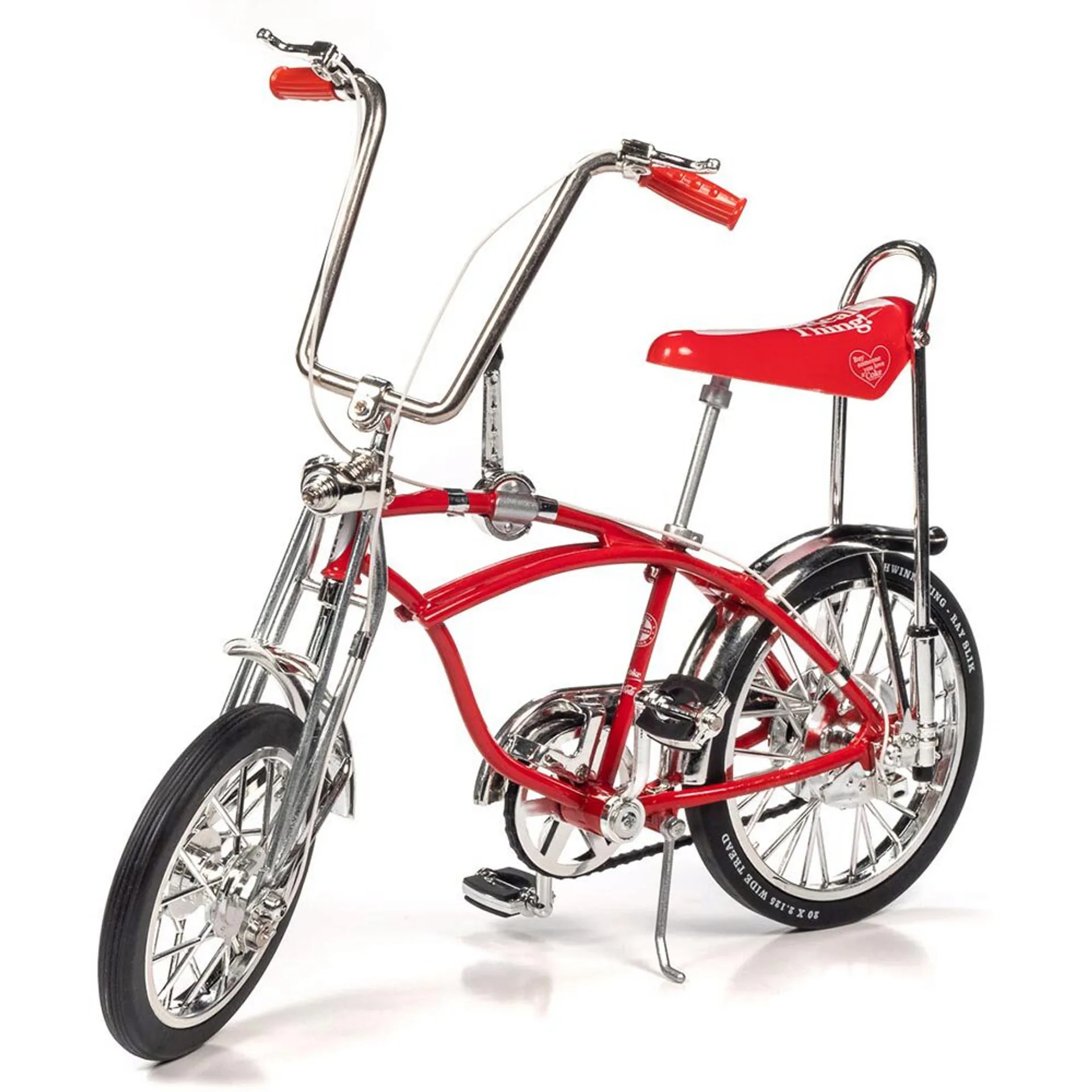
Diecast Model Cars Amazing Features
Diecast model cars have captivated enthusiasts for decades, offering a tangible connection to automotive history and design. These miniature marvels are more than just toys; they are highly detailed replicas that showcase impressive craftsmanship and attention to detail. The appeal lies in their ability to capture the essence of real-world vehicles in a smaller, collectible format. Whether you’re a seasoned collector or just starting, the world of diecast model cars offers something for everyone. This article delves into five amazing features that make these models so captivating, exploring the intricate details and characteristics that set them apart.
Accuracy and Detail
One of the most striking features of diecast model cars is the incredible level of accuracy and detail. Manufacturers go to great lengths to replicate every aspect of the original vehicles, from the body lines and paint finishes to the interior features and engine components. This precision is achieved through meticulous design and manufacturing processes. Many models utilize computer-aided design (CAD) to ensure accurate proportions and features. The paintwork is often applied in multiple layers to achieve a realistic look, with accurate colors and finishes that match the original vehicles. Fine details such as badges, emblems, and even the texture of the seats are carefully replicated. This dedication to accuracy transforms each model into a miniature work of art, capturing the essence of the full-size vehicle in stunning detail. The detail often extends to the engine bay, where miniature versions of the engine, belts, and other components are meticulously crafted.
Scale and Proportions

Diecast models come in various scales, with the most popular being 1:18, 1:24, and 1:43. The scale refers to the ratio between the model’s size and the actual size of the vehicle. For example, a 1:18 scale model is 1/18th the size of the real car. This standardization allows collectors to easily compare and display models of different vehicles together. The choice of scale often depends on the model’s intended use and the collector’s preferences. Larger scales, like 1:18, offer more room for detail and allow for more intricate features. Smaller scales, such as 1:43, are more compact and easier to display in larger quantities. Regardless of the scale, the manufacturers ensure that the proportions of the models are accurate. This accuracy in scale is crucial to the overall appeal and realism of the models, allowing collectors to appreciate the design and engineering of the original vehicles.
Materials and Construction
The materials and construction of diecast model cars contribute significantly to their quality, durability, and realism. The primary material used for the body of these models is typically die-cast zinc alloy, often referred to as Zamak. This material allows for intricate details and a high level of precision during the manufacturing process. The use of metal provides weight and a tactile feel, enhancing the overall quality. Other materials are also used, such as plastic for interior components, tires made of rubber or plastic, and clear plastic for windows. The construction involves several steps, including die-casting the body parts, assembling the components, painting the model, and adding detailed features. High-quality models undergo rigorous quality control to ensure that all the parts fit together seamlessly and that the paint finish is flawless. The combination of quality materials and careful construction results in models that are both beautiful and durable, designed to last for years to come. (diecast-car-materials.webp)
Metal Diecast Bodies
Metal diecast bodies are a hallmark of quality in diecast model cars. The use of die-cast zinc alloy provides several advantages. It allows for intricate details that would be difficult or impossible to achieve with other materials. The metal is strong and durable, making the models robust and resistant to damage. The weight of the metal also contributes to the models’ realistic feel and presence. During the manufacturing process, molten metal is injected into molds to create the body parts. This process enables the creation of complex shapes and fine details, from the curves of the body panels to the intricate grilles and vents. The die-cast process is also highly efficient, allowing for mass production while maintaining a high level of detail. The metal bodies are then typically painted and finished with great care to replicate the appearance of the original vehicles. The use of metal bodies is a key factor in the overall quality and appeal of diecast model cars.
Rubber Tires

The tires of diecast model cars play a crucial role in their appearance and realism. Most models feature tires made of rubber or a rubber-like material. This choice of material adds to the authenticity of the models. The tires often have detailed tread patterns that replicate the look of real-world tires. This detail enhances the overall visual appeal. The texture and appearance of the tires contribute significantly to the model’s realism, making it look more like a miniature version of the actual vehicle. Some models also include whitewall tires or tires with specific branding details, adding to the accuracy. The tires are carefully fitted to the wheels, often with detailed wheel designs that further enhance the model’s appearance. The use of rubber tires provides a tactile element, adding to the overall enjoyment of handling and displaying the models.
Functioning Features
Many high-quality diecast model cars include functional features that further enhance their realism and appeal. These features often replicate the functionality of the original vehicles, such as opening doors, hoods, and trunks. This allows collectors to examine the interior and engine compartments in detail, adding to the overall experience. Other functional features may include working steering mechanisms, allowing the front wheels to turn, and suspension systems that provide some level of movement and flexibility. These features are carefully engineered to ensure they function smoothly and reliably, adding to the overall quality of the models. The inclusion of functional features is a testament to the craftsmanship and attention to detail that goes into creating these miniature marvels, providing a more interactive and engaging experience for collectors. (diecast-car-features.webp)
Opening Doors, Hoods, and Trunks
Opening doors, hoods, and trunks are common functional features in diecast model cars, adding a layer of realism and interactivity. These features allow collectors to explore the interior and engine compartments in detail. The doors typically open and close smoothly, often with hinges that are finely crafted and engineered to match the scale of the model. The hoods and trunks also open, revealing detailed engine bays and cargo areas. These features allow collectors to appreciate the intricate details of the models. These features are not only functional but also contribute to the overall visual appeal of the models. Collectors can open the doors to admire the interior, view the engine under the hood, or inspect the trunk’s storage capacity, enhancing the experience.
Steering Functionality

Steering functionality is another impressive feature found in many diecast model cars. This feature allows the front wheels of the model to turn, just like in the real vehicle. The steering mechanism is often operated by turning the steering wheel or by manipulating the front wheels directly. This adds to the model’s realism and allows for a more interactive experience. The steering mechanism is typically well-engineered, ensuring smooth and reliable operation. The ability to steer the wheels adds an element of playability to the models. This feature enhances the overall enjoyment of handling and displaying the models. Steering functionality demonstrates the manufacturer’s commitment to detail and realism. (diecast-car-detail.webp)
Suspension Systems
Suspension systems are another example of the functional details found in some high-end diecast model cars. These systems are designed to mimic the suspension of the real-world vehicle, allowing the wheels to move up and down to some extent. This adds to the model’s realism, especially when it is placed on uneven surfaces. The suspension system can be a simple spring-loaded mechanism or a more complex design. It enhances the overall appearance of the model and adds a level of playability. The suspension systems are often not fully functional, but they provide a degree of movement and flexibility that adds to the realism of the model. The inclusion of suspension systems is a testament to the craftsmanship and attention to detail that goes into creating these miniature vehicles.
Collectibility and Value
Diecast model cars are highly collectible, with many models increasing in value over time. The value of a diecast model car is determined by several factors, including its rarity, condition, brand recognition, and historical significance. Some models are produced in limited editions, making them highly sought after by collectors. The condition of the model is also a key factor, with models in pristine condition commanding higher prices. Brand recognition plays a significant role, with models from well-known manufacturers often being more valuable. The historical significance of the vehicle being modeled can also influence its value, with models of classic cars and significant race cars often being highly prized. Collecting diecast model cars can be a rewarding hobby, with the potential for both enjoyment and financial gain. The value of a model can increase significantly over time, especially if it is a rare or limited-edition model. The collectibility of diecast model cars is a significant feature. (diecast-car-collecting.webp)
Rarity and Limited Editions

Rarity and limited editions significantly impact the value of diecast model cars. Manufacturers often produce models in limited quantities, making them highly sought after by collectors. Limited edition models are often released to commemorate specific events or anniversaries, or they may feature unique paint schemes or details. These models are often produced in smaller numbers. The scarcity of these models increases their value and collectibility. Collectors actively seek out rare models, knowing that their value is likely to appreciate over time. Models that are no longer in production, especially those from popular brands, are also highly valued. Rarity adds an element of excitement to collecting, as collectors are constantly on the hunt for rare and unique models to add to their collections.
Brand Recognition
Brand recognition plays a crucial role in the collectibility and value of diecast model cars. Models from well-known and respected manufacturers are often highly prized by collectors. Brands such as Hot Wheels, Matchbox, Autoart, and Minichamps have established reputations for producing high-quality models. The brand name acts as a stamp of approval. Collectors often seek out models from these brands, knowing that they can expect a certain level of detail, quality, and accuracy. The popularity of a brand also influences the demand for its models. Collectors are more likely to seek out models from brands with a strong reputation. Strong brand recognition often translates into higher resale values and a more liquid market for collectors.
Investment Potential
Diecast model cars can offer a significant investment potential for collectors. The value of certain models can appreciate over time, especially those that are rare, limited edition, or from reputable brands. The investment potential of a diecast model car is influenced by several factors. These factors include rarity, condition, historical significance, and market demand. Collectors often treat diecast models as an alternative investment asset, diversifying their portfolios. While not all models will increase in value, well-chosen models can provide a good return on investment. The investment potential adds another dimension to the hobby. Collecting diecast model cars combines the enjoyment of a hobby with the potential for financial gain. Investing in diecast model cars requires research, knowledge, and a keen eye for spotting valuable models. (diecast-car-brand.webp)
Conclusion

Diecast model cars are far more than mere toys; they are miniature masterpieces that capture the essence of automotive history, design, and engineering. From the incredible accuracy and detail to the functional features and collectibility, these models offer a captivating experience for enthusiasts of all ages. The five amazing features explored in this article showcase the craftsmanship, precision, and passion that go into creating these miniature vehicles. Whether you’re a seasoned collector or just starting, the world of diecast model cars offers a fascinating and rewarding hobby. The investment potential and the joy of owning and displaying these miniature marvels make them a worthwhile pursuit. The world of diecast cars continues to evolve, with manufacturers constantly pushing the boundaries of detail, realism, and innovation, ensuring that the passion for collecting will continue to thrive for years to come.