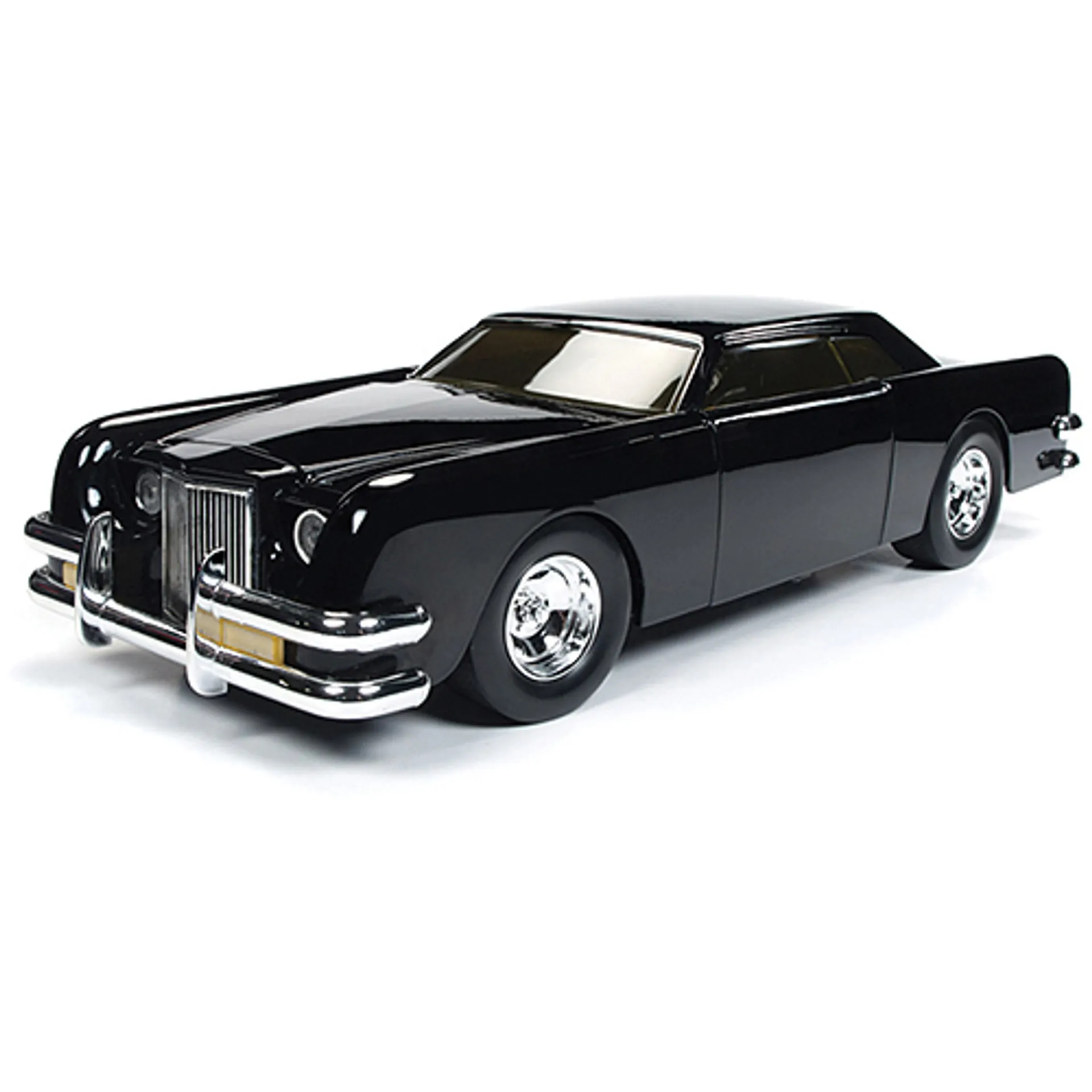
The Allure of Diecast Model Cars
Diecast model cars have captivated enthusiasts for generations, offering a unique blend of artistry, nostalgia, and technical precision. These miniature replicas of real-world automobiles are more than just toys; they represent a passion for cars, history, and the meticulous craftsmanship involved in their creation. The appeal lies in the ability to hold a scaled-down version of a dream car or a historically significant vehicle, each detail meticulously recreated. Collectors often speak of the thrill of the hunt, the joy of discovery, and the satisfaction of building a diverse and valuable collection. Whether it’s the gleaming paint, the intricate engine details, or the working features, diecast model cars provide an engaging hobby that transcends age and background.
History of Diecast Model Cars
The history of diecast model cars is a journey through innovation and evolving design. The earliest examples appeared in the late 19th century, primarily as small promotional items or simple toys. These initial models were made of materials like lead and tin, which were later replaced by more durable and detailed alloys. The development of die-casting, a process where molten metal is forced into molds, revolutionized the industry, allowing for more complex designs and greater accuracy.
Early Development and Materials

The early models were often crude, with limited detail and functionality. The materials used were dictated by availability and cost. Early manufacturers experimented with various metals before settling on zinc alloys, which offered a good balance of durability and moldability. The manufacturing processes also evolved, with advancements in mold-making and finishing techniques paving the way for the intricate and realistic models we see today. These initial steps laid the groundwork for the booming diecast car industry that followed.
The Golden Age and Popularity
The mid-20th century marked the golden age of diecast cars, with companies like Dinky Toys and Corgi leading the charge. These brands introduced detailed models with features like opening doors, working suspension, and realistic paint jobs. The increasing popularity of cars in society fueled demand, and diecast models became essential for children and collectors. The models reflected the changing automotive landscape, with new releases mirroring the latest car designs. This period saw a rise in collectible value and a significant shift in design sophistication, firmly establishing diecast cars as a mainstream hobby.
Manufacturing and Detail
The creation of a diecast model car is a complex process requiring precision, skill, and attention to detail. The manufacturing involves several key steps, from design and mold creation to assembly and finishing. Advanced technologies, such as computer-aided design (CAD), are used to create intricate 3D models, which serve as the basis for the molds. This meticulous process results in highly accurate replicas, making the hobby so appealing to collectors. Modern diecast cars can feature hundreds of individual parts, all assembled to create a miniature version of the real car.
The Die-Casting Process

The die-casting process is at the heart of diecast model car manufacturing. It involves injecting molten metal, usually a zinc alloy, into steel molds under high pressure. This process allows for the creation of intricate shapes and fine details that would be impossible with other manufacturing methods. Once the metal solidifies, the mold is opened, and the part is ejected. Multiple molds are required to create all the individual components of a model car, which are then assembled by skilled workers. The process is incredibly precise, producing consistently high-quality results.
Levels of Detail and Scale
Diecast model cars are available in various scales, with the most common being 1:18, 1:24, and 1:43. The scale determines the size of the model relative to the original car. The level of detail varies depending on the scale, the manufacturer, and the price point. High-end models feature incredibly accurate interiors, engine compartments, and undercarriages. Many models include working features like steering, opening doors, and detailed dashboards. These premium models are often sought after by serious collectors who value authenticity and craftsmanship.
Collecting and Community
Collecting diecast model cars is a social hobby, with a thriving community of enthusiasts worldwide. Collectors share their passion through clubs, online forums, and at model car shows. These gatherings provide opportunities to showcase collections, trade models, and connect with fellow collectors. The sense of community enriches the hobby, offering valuable insights, resources, and camaraderie. The shared interest in cars and model craftsmanship creates lasting friendships and bonds.
Types of Collectors

The collecting community is diverse, encompassing various types of collectors. Some specialize in specific makes and models, such as vintage sports cars or modern supercars. Others focus on particular scales or brands. There are collectors who are interested in specific eras of automotive history, or those that only collect models that have special significance. The diversity in the collecting community allows for an environment of specialized expertise and shared appreciation for the hobby. Every collector has their own unique preferences and motivations.
Collecting Tips
Start with cars that you are passionate about. Research the models you are interested in to learn about their history, value, and rarity. Keep your collection organized by type, brand, or scale. Join online forums and attend model car shows to connect with other collectors and learn more about the hobby. Set a budget and stick to it. Protect your models by storing them in a clean, dry, and dust-free environment. Most importantly, enjoy the process of building your collection and the shared experience with other enthusiasts.
Factors Influencing Value
Several factors influence the value of diecast model cars, including rarity, condition, and historical significance. Limited-edition models, especially those produced in small quantities, often command higher prices. The condition of the model, including the paint, details, and original packaging, is critical. Models that are in mint condition or have been well-preserved are more valuable. The popularity of the original car and its place in automotive history also contribute to its value. The brand name and manufacturer also have an effect, with models from well-known, respected brands often being highly sought after.
Rarity and Limited Editions

Limited-edition models are highly prized by collectors due to their scarcity. These models are often produced in small quantities, making them more exclusive and valuable. Manufacturers often release limited editions to commemorate special events, anniversaries, or partnerships. Collectors actively seek out these models, as they often appreciate in value over time. The limited availability drives demand and adds to the excitement of collecting. Owning a limited edition model can be a source of pride and a significant investment.
Condition and Preservation
The condition of a diecast model car is a primary factor in determining its value. Models in mint condition, with no scratches, blemishes, or missing parts, are the most valuable. The original packaging, including the box, inserts, and paperwork, adds to the collectibility. Proper preservation is critical for maintaining the condition of the model. Collectors often store their models in protective cases or display them in controlled environments to minimize exposure to dust, light, and humidity. Careful handling and maintenance help to preserve the model’s value.
Famous Brands and Models
Certain brands and models have achieved iconic status in the world of diecast cars. These models are highly sought after by collectors and often represent the pinnacle of craftsmanship and detail. Some brands have built a reputation for producing high-quality models, while others are known for their accurate representations of specific cars. These models are not just representations of cars; they are pieces of art that capture the essence of automotive design and history. Owning one of these can be a centerpiece for any diecast car collection.
Top Brands in Diecast

Several brands are recognized for their high-quality diecast model cars. Some of the most respected brands include Hot Wheels, Matchbox, Autoart, Minichamps, and CMC. Each brand has a unique approach to model making, with some focusing on affordability and others on intricate detail and authenticity. The brands often have a loyal following of collectors who appreciate their specific qualities. Collectors often favor a particular brand. The reputation and prestige of a brand can add significantly to the value and appeal of a model.
Iconic Models and Their Significance
Iconic models represent the best of diecast car manufacturing. These models are known for their detail, accuracy, and historical significance. Some of the iconic models include the Jaguar E-Type, the Mercedes-Benz 300SL Gullwing, and the Ferrari 250 GTO. These models are often highly sought after by collectors. They represent engineering marvels, historic milestones, and exquisite design. Owning an iconic model connects the collector with the history of the automobile.
Caring for Your Collection
Proper care and maintenance are essential for preserving the value and appearance of your diecast model car collection. This includes proper storage, careful handling, and regular cleaning. By taking the time to care for your models, you can ensure they remain in excellent condition for years to come. The models will provide enjoyment and potentially increase in value over time. Maintaining your collection is an essential part of being a diecast car collector.
Storage and Display

Storing your diecast model cars properly is essential for protecting them from damage. Store the models in a cool, dry, and dust-free environment. Consider using display cases to showcase your collection while keeping it protected. Avoid direct sunlight and extreme temperatures, which can damage the paint and materials. Ensure the cases do not expose models to direct sunlight. Using the right storage methods helps preserve the longevity and value of your collection.
Cleaning and Maintenance
Regular cleaning helps maintain the appearance of your diecast model cars. Use a soft brush or cloth to remove dust and debris. Avoid using harsh chemicals or abrasive cleaners, which can damage the paint. If necessary, use mild soap and water, and dry the model thoroughly. Check the models regularly for any signs of damage or wear, and address these issues promptly. Careful cleaning and maintenance are essential for the enjoyment and preservation of your collection.
Where to Buy Diecast Model Cars
Diecast model cars can be found in a variety of places, both online and offline. Specialty model shops are a great source for finding high-quality models and expert advice. Online marketplaces offer a vast selection of models, often at competitive prices. Model car shows and swap meets are excellent opportunities to find rare and vintage models. Building a collection requires knowledge and research. You can connect with other collectors through events or online forums. Finding the right sources for model cars is often part of the fun of collecting. This will increase your appreciation of the hobby.