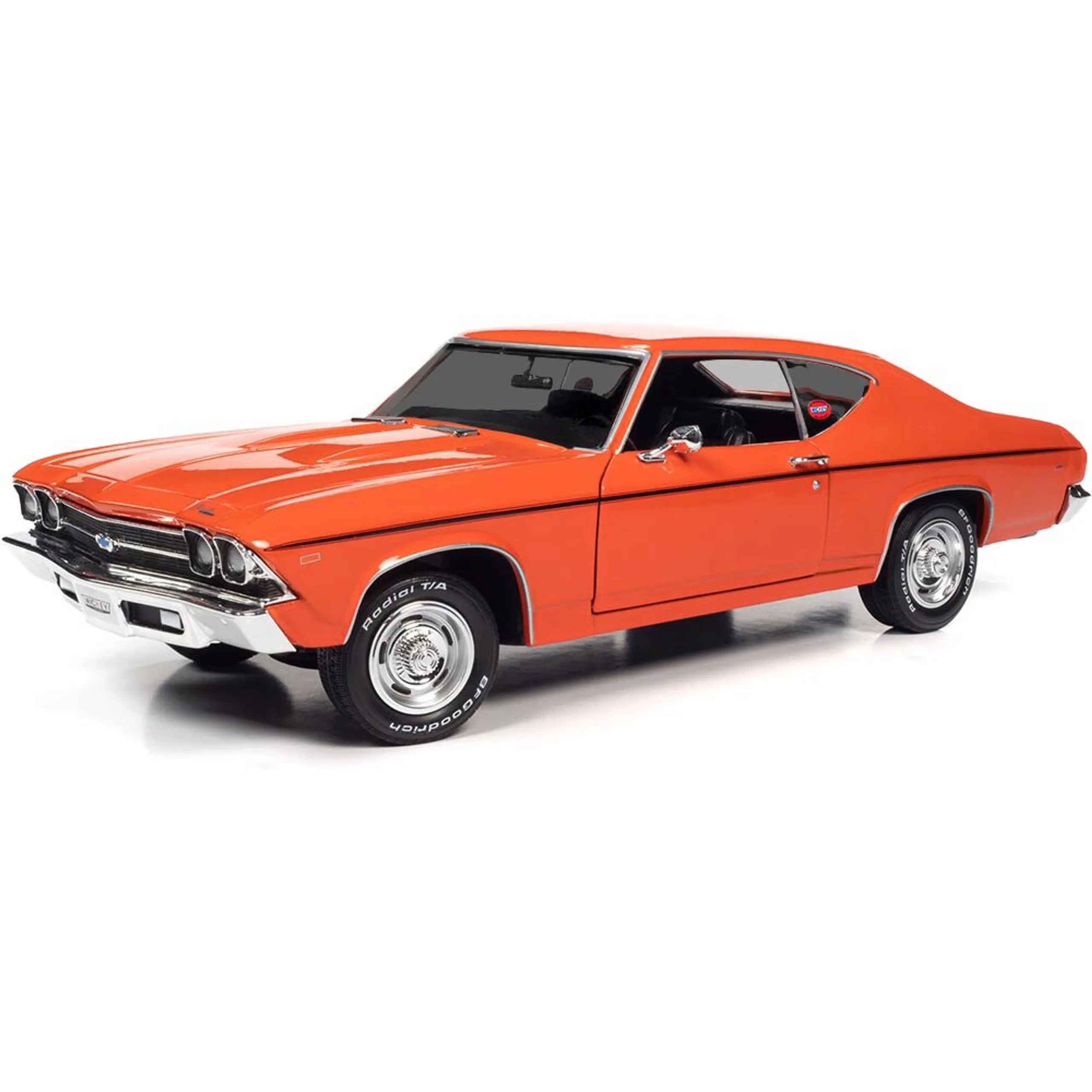
What is a Diecast Metal Scale Model
Diecast metal scale models are highly detailed miniature replicas of vehicles, typically cars, trucks, aircraft, and other forms of transportation. These models are primarily made using a die-casting process, where molten metal is injected into a mold to create intricate and precise forms. Diecast models are prized by collectors and enthusiasts for their accuracy, quality of materials, and the ability to replicate the design and features of their full-size counterparts. They range in size and complexity, with some models featuring opening doors, detailed interiors, and authentic paint finishes. They provide an accessible way to collect a diverse range of vehicles, allowing collectors to enjoy their favorite cars or appreciate automotive history in a tangible form. The hobby of collecting diecast models offers a rewarding experience to those who enjoy detail and miniaturization.
Understanding Scale Sizes
Scale size refers to the ratio between the model’s dimensions and the actual vehicle’s dimensions. This ratio is expressed as a fraction, for example, 1 18 scale means that the model is 1/18th the size of the real vehicle. Different scales cater to various preferences and collecting goals, impacting display space and the level of detail achievable. Common scales provide collectors with an array of options, allowing them to choose models based on their personal preference and the amount of space they have available for their collection. The choice of scale significantly influences the model’s appearance and how it integrates into a display.
Common Diecast Scale Sizes

Several scales are popular among diecast model collectors. 1 18 scale is a favorite for its balance of detail and size, offering a substantial presence on display while allowing for intricate features. 1 24 scale is a common and affordable option, often found in toy stores and offering a good level of detail. 1 43 scale is a popular choice for its space-saving benefits, which allows collectors to build extensive collections without needing vast display areas. Smaller scales like 1 64 are also popular, particularly for collectors who want to accumulate a large number of models. The variety of scales allows collectors to customize their collection, creating a visually diverse display.
Factors to Consider When Choosing a Scale
When choosing a scale, consider your display space, the level of detail you desire, and the availability of models in that scale. Larger scales, like 1 18, provide more detail but require more space. Smaller scales are easier to accommodate but might have fewer intricate features. The availability of models in the specific vehicles or types you enjoy should be considered too. Some scales focus on specific types of vehicles, which impacts the range of models accessible to a collector. Balancing these factors helps you choose a scale that aligns with your collecting goals, available space, and personal preferences.
Materials and Construction
The materials and construction of a diecast metal scale model profoundly affect its appearance, durability, and value. The die-casting process involves injecting molten metal, often zinc alloys, into molds, creating strong and detailed parts. High-quality models use finer alloys, enhancing the level of detail. Different parts of the model, like wheels, tires, and interior components, incorporate other materials such as rubber and plastic. The quality of these materials and how well they are assembled determines the overall model’s finish and longevity. The materials used and the craftsmanship are central to a model’s aesthetic and its value.
Diecast Metal vs. Other Materials

Diecast metal models are favored for their weight, durability, and detail. Unlike plastic models, diecast metal provides a more realistic feel and appearance. The metal allows for finer details, making the model more accurate to the original vehicle. Plastic models, on the other hand, can be more affordable, but often lack the same level of detail and robustness. Composite models, combining metal and plastic, offer a balance between detail and cost. The choice between these materials is influenced by budget, desired detail level, and the intended use of the model. Each material has its benefits and drawbacks.
Quality of Construction
Quality construction is essential for a diecast model’s longevity and aesthetic appeal. The model’s parts should fit well, with minimal gaps or misalignments. Paintwork should be smooth and even, with no imperfections or inconsistencies. The detailed features, such as badges, lights, and interior elements, should be accurately represented and securely attached. High-quality models feature realistic details and are built with attention to precision. Inspecting the construction quality ensures the model looks good on display and maintains its value over time. Quality construction includes attention to detail in assembly and finishing, showing care and expertise.
Features to Look For
Diecast metal scale models include various features that enhance their realism and appeal. These can range from opening doors, hoods, and trunks to detailed engine compartments and interiors. The features contribute to the overall collectibility and the user experience. Many models incorporate operational steering, rolling wheels, and realistic tire treads. Additional details can include working headlights, taillights, and authentic badging. The presence and quality of these features distinguish a model, increasing its value. These elements add to the model’s functionality and visual interest.
Opening Parts and Details

Opening parts, such as doors, hoods, and trunks, increase a model’s realism and interactive nature. They allow collectors to view the model’s detailed interior and engine. These features often include meticulously replicated hinges and latches, adding to the model’s authenticity. Detailed engine compartments, complete with wiring, belts, and other components, are a highlight. Interior details, like seats, dashboards, and steering wheels, are essential to a model’s overall appeal. The quality of these features significantly impacts the model’s value and the enjoyment it brings to collectors.
Authenticity and Accuracy
Authenticity and accuracy are critical in diecast models. The model should closely resemble the original vehicle, with precise dimensions, proportions, and design elements. Accurate details include the vehicle’s shape, body lines, and the accurate replication of features, such as wheels, mirrors, and lights. The paint color should match the original vehicle’s color. High-quality models have replicated specific details like badges, manufacturer logos, and interior trim. These models aim to provide a true-to-life experience. Collectors value models that faithfully reproduce the character and details of the original vehicle.
Key Features of a High-Quality Diecast
High-quality diecast models combine several key features. They have a high level of detail, with accurate representations of all the original vehicle’s components. The materials are durable, and the construction is solid, with all parts fitting well. The paintwork is flawless, with a smooth finish and accurate colors. They include opening parts and realistic features, such as steerable wheels and detailed interiors. High-quality models have realistic badging, branding, and accurate proportions. These features combine to create a product that is visually stunning, durable, and a valuable addition to any collection.
Top 7 Diecast Metal Scale Model Buying Guide

Choosing the right diecast metal scale model requires careful research and consideration of various factors. This guide provides insights into the essential aspects of selecting a model that meets the collector’s preferences and expectations. Consider scale, construction quality, the level of detail, and the model’s authenticity. The best models provide a satisfying collecting experience. This guide helps navigate the many options available in the market, ensuring a wise and fulfilling purchase. The following is a detailed guide to buying diecast models.
Researching and Comparing Models
Researching different models and comparing their features is crucial before purchasing. Explore various brands and models, paying attention to scale, materials, and design details. Compare prices and read reviews to understand each model’s quality and customer satisfaction. Websites, forums, and online marketplaces offer valuable information. These resources enable you to make informed decisions. Knowing the details helps you find the best value and choose a model that meets your expectations. Thorough research will help find the best product available.
Reading Reviews and Ratings
Reading reviews and ratings gives insight into a model’s quality and the experiences of other buyers. Look for reviews from multiple sources, including product reviews from retailers and collector forums. Pay attention to comments on build quality, detailing, and value. Ratings provide a snapshot of a model’s overall satisfaction level. A review helps you gauge a product’s strengths and weaknesses. Analyzing the reviews and ratings will inform your final decision.
Comparing Prices and Value

Comparing prices and value helps determine the model that offers the best features for the price. Consider the scale, level of detail, and the materials used when assessing the value. Different brands and models will have varied price points. Look for models that offer the best balance of quality and price. Comparing prices across different retailers ensures you get a fair deal. Consider the long-term value of the model, considering its potential collectibility. Value isn’t just about the initial cost but includes the model’s detail, build quality, and long-term appeal.
Identifying Reputable Sellers
Purchasing from reputable sellers ensures the model is authentic and that you receive good customer service. Look for sellers with a strong online reputation and positive feedback. Check for secure payment options and clear return policies. Reputable sellers provide detailed product descriptions and accurate photos. Verify the seller’s contact information and responsiveness to inquiries. Buying from established retailers and verified sellers reduces the risk of fraud or substandard products. It is also important to consider the seller’s reputation.
Evaluating Customer Service
Evaluating customer service is essential to a positive buying experience. Contact the seller with questions or concerns before purchasing. Assess the seller’s responsiveness, helpfulness, and willingness to assist. Read reviews about the seller’s customer service to determine if the service is reliable. A seller who provides good customer service is likely to resolve issues and ensure you are satisfied with your purchase. Prioritizing customer service makes the buying process easier and offers support after your purchase.
Determining the Best Model for Your Needs
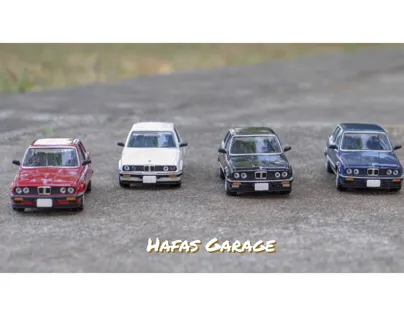
Choosing a model depends on your individual needs and preferences. Think about the type of vehicle you are interested in, the scale you prefer, and the level of detail you desire. Consider your budget, available display space, and how the model fits into your existing collection. Prioritize the features that are important to you, such as opening parts, detailed interiors, or authentic paint finishes. Determine what you value most in a model. The ideal model will be one that satisfies your interest and your budget.
Matching Models to Your Interests
Match the model to your interests. If you are a fan of classic cars, consider vintage models. If you like sports cars, explore models from popular brands like Ferrari or Porsche. Military vehicle enthusiasts can seek out accurate scale models of tanks and trucks. Matching the model to your interests enhances your enjoyment of the collection. Select the model based on your personal preferences. Choosing models related to your interest will make the hobby more enjoyable and rewarding.
Considering Display Space
Consider the display space available when selecting models, especially if you plan to build a large collection. Larger scales, like 1 18, take up more space, which can impact the display layout. Smaller scales provide more flexibility. Plan your display area, considering the size of each model and how it will fit with other models. Adequate display space allows you to arrange your models attractively. Well-planned displays enhance the presentation of your models. Proper display allows you to showcase your collection effectively.
Maintenance and Care of Models
Proper maintenance and care are essential for preserving your diecast models. Dust, sunlight, and extreme temperatures can damage models over time. Cleaning, storing, and displaying models appropriately protects them. Regular care maintains the model’s appearance and value. The proper care extends the life of the model, ensuring it stays in excellent condition. Taking care ensures that the model remains an attractive and valuable part of your collection.
Cleaning Your Diecast Models
Regular cleaning removes dust and dirt that can accumulate on your diecast models. Use a soft brush or a microfiber cloth to gently wipe the surfaces of the model. Avoid harsh chemicals or abrasive cleaners that can damage the paintwork. For more stubborn dirt, a slightly damp cloth with mild soap may be used. Always dry the model thoroughly after cleaning. Cleaning your models maintains their appearance. Clean models stay in good condition.
Proper Storage Techniques
Storing diecast models properly protects them from damage. Store models in a cool, dry place away from direct sunlight and extreme temperatures. Consider using display cases or individual boxes to protect models from dust and physical damage. Avoid storing models in areas with high humidity, which can cause rust or corrosion. Proper storage protects the model, preserving its condition over time. Careful storage ensures the model maintains its value.
Displaying Models
Displaying models in a way that enhances their presentation and protects them from damage is critical. Use display cases with shelves or stands to showcase your models. Arrange models to create an attractive display. Keep them away from direct sunlight to prevent fading and damage. Proper lighting can highlight the details of the models. Consider the layout of your display, which allows you to showcase your collection to its best advantage. A well-designed display makes the collection more enjoyable.
Conclusion
Diecast metal scale models are a rewarding hobby. They offer a fascinating way to appreciate automotive design and history. Choosing the right model involves research, careful consideration, and attention to detail. The buyer must take into account scale, construction quality, features, and personal preferences. Proper care and maintenance are essential to preserve the model’s value and enjoyment. With careful selection and care, the collector can build a collection that is both beautiful and valuable. The passion and dedication to building a collection will be a source of enjoyment. The right models provide years of enjoyment.