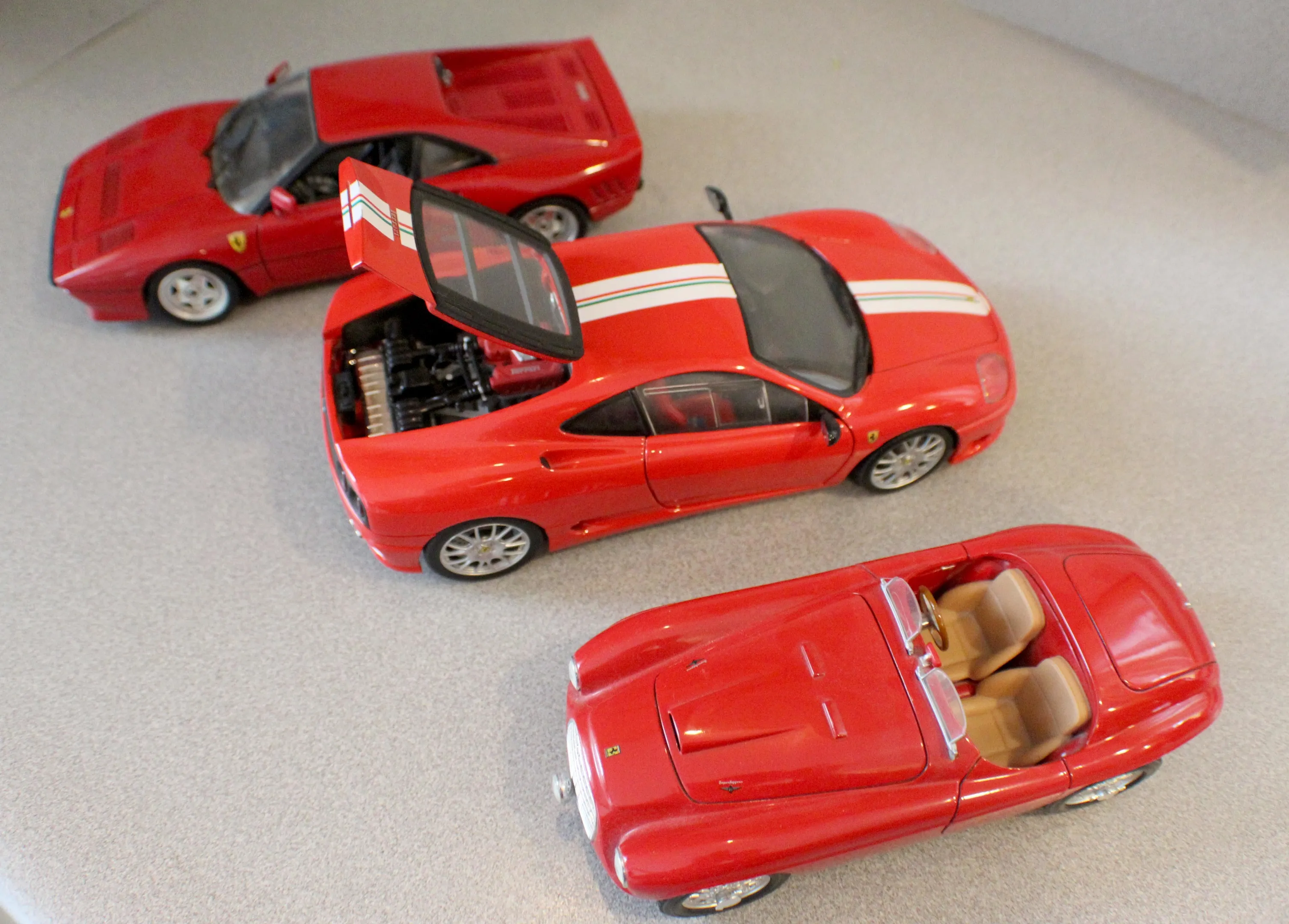
What are Diecast Treads
Diecast treads are miniature replicas of vehicles, typically made from metal using a die-casting process. These finely detailed models have captivated collectors and enthusiasts for decades. They are known for their durability, accuracy, and intricate designs, replicating everything from classic cars to modern construction equipment. The term “treads” refers to the tires or tracks that make contact with the ground, and these models often emphasize realistic tire design. The appeal lies in their ability to capture the essence of real-world vehicles in a compact and collectible form. Diecast treads offer a tangible connection to automotive history, engineering marvels, and personal interests. They provide a rewarding hobby for both casual admirers and dedicated collectors.
History and Evolution of Diecast Treads
The history of diecast treads is a fascinating journey through the evolution of toy manufacturing and collecting. Their story reflects technological advancements, shifting consumer preferences, and the enduring allure of miniature vehicles. From simple beginnings to highly detailed replicas, the journey of diecast treads mirrors the automotive and toy industries. The early days laid the foundation for the sophisticated models we see today. Each era brought innovations in materials, production techniques, and design, transforming diecast treads from simple playthings into valuable collectibles and accurate representations of real vehicles. The evolution of diecast treads is a testament to the power of imagination, craftsmanship, and the enduring appeal of miniature models.
Early Developments of Diecast

The earliest diecast toys emerged in the early 20th century, coinciding with the rise of the automotive industry. These initial models were rudimentary, focusing on basic shapes and functionality. The primary materials used were primarily zinc-based alloys, which were easy to mold. These early diecast toys were a significant step forward from earlier, less durable toys, marking the beginning of a new era in toy production. The initial focus was more on playability rather than extreme detail. These first models were mostly simple vehicles, designed to be durable and withstand the rigors of childhood play. This period established the foundation for diecast as a viable and popular toy-making method. These foundational models were the building blocks that paved the way for the sophisticated and detailed diecast models we see today. They represent a pivotal moment in the history of toys.
Impact of Diecast on Toy Manufacturing
Diecast technology revolutionized toy manufacturing by offering a durable, detailed, and efficient production method. Before diecast, toys were often made from less durable materials like wood or tin, which were susceptible to damage. Die-casting enabled the mass production of intricate designs. This created higher quality toys and changed the expectations of consumers. Diecast allowed for greater detail and realistic features, which appealed to children and collectors alike. The mass production capabilities of diecast also made toys more affordable and accessible to a wider audience. Diecast technology’s introduction profoundly impacted the toy industry, setting a new standard for quality, detail, and mass production.
Materials Used in Diecast Treads
The materials used in diecast treads are essential to their quality, durability, and appearance. The primary material is a zinc alloy, often combined with other metals. This alloy provides the necessary strength and ability to capture intricate details. The choice of materials impacts the overall weight, feel, and longevity of the model. Different metals provide different properties, leading to variations in the final product. From the body to the tires and windows, the materials used contribute to the realism and collectibility of diecast treads. Understanding the materials offers a deeper appreciation for the models.
Types of Metals in Diecast

The most common metal used in diecast models is a zinc alloy, known as Zamak. This alloy typically consists of zinc, aluminum, magnesium, and copper. Zamak is chosen for its excellent casting properties, allowing for complex shapes and fine details. Other metals, such as aluminum and steel, may be used for smaller parts or to enhance specific features. Aluminum can provide a lighter weight, while steel can add strength. The blend of metals affects the model’s overall characteristics, including its weight, durability, and appearance. These metals are critical to the realism and quality of diecast treads.
Manufacturing Process of Diecast Treads
The manufacturing process of diecast treads is a sophisticated procedure that involves several key steps. It begins with creating molds for the vehicle components, which are meticulously designed to capture every detail. The die-casting process involves injecting molten metal, under high pressure, into these molds. Once the metal solidifies, the parts are removed, cleaned, and prepared for further processing. This intricate process ensures high precision and the ability to replicate complex designs. The production process ensures that each model meets specific standards of quality, detail, and durability. The manufacturing process behind diecast treads highlights the blend of technology and craftsmanship involved in their creation.
The Die Casting Process
The die-casting process is the heart of diecast tread manufacturing. It starts with preparing the mold, which is designed in two halves. Molten metal, typically a zinc alloy, is injected into the mold under high pressure. This pressure forces the metal into every detail of the mold, capturing intricate features. After the metal cools and solidifies, the mold is opened, and the cast parts are extracted. The process is incredibly efficient, allowing for mass production while maintaining a high level of detail. Die-casting is critical to the production of accurate and durable models, offering the ability to create highly detailed and intricate designs.
Surface Treatment and Finishing

After the die-casting process, the parts undergo surface treatments and finishing. This includes removing any excess material, smoothing rough edges, and preparing the surfaces for painting. Various techniques like sanding and polishing are used to refine the surfaces. Painting is a crucial step, often involving multiple layers to achieve the desired colors and effects. Decals and other details, such as logos and markings, are applied to enhance realism. The finishing process ensures the models look great and protects them from corrosion and wear. This is an important part of bringing each diecast tread to life.
Factors to Consider When Buying Diecast Treads
Choosing the right diecast treads involves considering several factors that affect quality, value, and personal enjoyment. The scale and size of the model are essential, as they dictate the level of detail and display options. Authenticity, including the accuracy of the design and detailing, is important for collectors. The brand and rarity of the model also influence its value and desirability. Understanding these factors helps buyers make informed choices and find models that meet their preferences. These elements combine to determine the value and personal satisfaction derived from collecting diecast treads. They offer a guide to finding models you will cherish.
Scale and Size
Diecast treads come in various scales, from small models to larger, more detailed replicas. Common scales include 1:64, 1:43, and 1:18, each representing a different proportion of the real-world vehicle. The scale affects the level of detail and the overall size of the model. Larger scales, such as 1:18, allow for greater detail, but they require more space to display. Smaller scales are more compact and easier to collect in large numbers. The choice of scale depends on personal preference, display space, and the desired level of detail. The scale and size of a model influence the impact it has on your collection.
Authenticity and Detailing

Authenticity is crucial when evaluating diecast treads, particularly for collectors. This refers to the accuracy of the model’s design, including the shape, proportions, and details of the real-world vehicle. High-quality models accurately replicate features like the engine, interior, and exterior components. Detailing includes paint quality, decal accuracy, and the presence of intricate elements such as working doors or steerable wheels. Collectors often prioritize authenticity and detailing, as they significantly impact the model’s value and appeal. The authenticity and detail are paramount for capturing the essence of the real vehicle and enhancing the collectibility of a diecast tread.
Brand and Rarity
The brand and rarity of diecast treads are important factors for collectors. Certain brands have a reputation for quality, detail, and collectibility. Popular brands include Matchbox, Hot Wheels, and others. Rarity refers to the limited production runs or special editions of certain models. Rare models are highly sought after and command premium prices. Brand recognition and rarity are key considerations when assessing the value of a model. The brand and rarity of a diecast tread impact its place in a collection.
Caring for and Maintaining Diecast Treads
Proper care and maintenance are essential to preserve the condition and value of diecast treads. Regular cleaning and careful storage can prevent damage and maintain their appearance over time. Addressing minor issues promptly can help prevent more serious problems. Implementing these practices ensures that diecast treads retain their beauty and value for many years. Taking care of your models allows you to enjoy your collection.
Cleaning and Storage

Cleaning diecast treads involves gentle methods to avoid scratching or damaging the surfaces. Use a soft cloth and mild soap or specialized cleaner to remove dust and dirt. Avoid harsh chemicals or abrasive materials. Storage is crucial for preserving the models. Store them in a cool, dry place away from direct sunlight and extreme temperatures. Consider using display cases or boxes to protect them from dust and damage. By keeping the models clean and stored correctly, you can preserve their condition and value.
Repairing Common Damages
Minor damages, like paint chips or loose parts, can often be repaired. Use matching paints or touch-up pens for scratches, and adhesives to reattach loose components. For more serious damage, consider consulting a professional restorer. Proper repair can restore the model’s appearance and prevent further degradation. Addressing damages promptly protects the condition of your diecast treads. Careful maintenance and quick repairs are key to preserving your investment.
Collecting Diecast Treads
Collecting diecast treads can be a rewarding and enjoyable hobby for enthusiasts of all ages. Creating a collection allows you to connect with your interests. Whether you are a seasoned collector or a beginner, starting a collection can be a fulfilling experience. By carefully curating your collection, you can create something that reflects your personal interests and appreciation for these miniature vehicles. The joy of collecting extends beyond the models; it also includes the community and the stories attached to them. Collecting can offer a lifetime of enjoyment.
Tips for Starting a Collection

When starting a diecast tread collection, it’s important to establish a focus or theme, like collecting specific car makes, models, or eras. This helps to guide your purchasing decisions and refine your collection. Set a budget to manage expenses, and research models before purchasing them. Connect with other collectors through online forums, clubs, or shows to exchange knowledge and advice. Start with models that you find appealing. Most importantly, have fun and enjoy the process of building your collection. By developing a clear focus and connecting with other collectors, you can build a collection that you will treasure.
Where to Find Diecast Treads
Diecast treads can be found in various places. Toy stores often have a selection, and hobby shops specialize in diecast models. Online marketplaces offer a wide range of options, including new and vintage models. Collectible shows and swap meets are excellent places to find rare and unique items. Auctions and estate sales can also be fruitful sources. The key is to explore different avenues. Researching and comparing prices from different sources help you make informed purchasing decisions. With patience and effort, you will discover the joy of the hunt and the satisfaction of finding new treasures.
Showcasing and Displaying Your Collection
Showcasing and displaying your diecast tread collection is a way of personalizing your space and creating a beautiful environment. Display cases and shelves offer safe and stylish display options. Consider using lighting to highlight the details and features of your models. Arranging your collection by theme, scale, or brand creates a visually appealing presentation. Regular dusting and cleaning will keep your collection looking its best. Displaying your collection allows you to showcase your passion and share it with others. Thoughtful presentation is essential to protect and highlight your models.
Conclusion
Diecast treads are a captivating blend of history, craftsmanship, and collectibility, offering endless appeal for enthusiasts. Their journey mirrors the evolution of the automotive and toy industries, and their enduring presence reflects a love for detail and miniature artistry. Whether you are a seasoned collector or a curious beginner, the world of diecast treads offers a rewarding experience. By understanding the history, materials, and value of these models, you can immerse yourself in a hobby. So, embark on this journey, build your collection, and enjoy the world of diecast treads.