Understanding Vintage Diecast Toys
Vintage diecast toys hold a special place in the hearts of collectors and enthusiasts alike. These miniature replicas of cars, trucks, and other vehicles offer a nostalgic glimpse into the past, representing iconic designs and historical periods. The allure of these toys extends beyond mere aesthetics; they are often valuable investments and historical artifacts. Understanding the world of vintage diecast toys involves appreciating their history, the manufacturing processes, and the factors that contribute to their value. Whether you are a seasoned collector, a new enthusiast, or someone looking to buy or sell, this guide will provide valuable insights into the world of vintage diecast toys, from understanding what makes them unique to mastering the art of buying and selling them.
What Defines a Vintage Diecast Toy
Defining what constitutes a vintage diecast toy is the first step in understanding this collecting niche. Generally, a vintage diecast toy is one that was manufactured a significant time ago, typically before the 1980s, though this can vary depending on the specific brand and model. These toys are characterized by their construction, using die-casting, a process where molten metal is injected into molds to create the toy’s body. The material used is usually zinc alloy, but other metals have been used, with tin being a popular choice in earlier models. Furthermore, the charm of vintage diecast toys lies in their detailing and the quality of craftsmanship, often reflecting the design aesthetics of their era. The presence of original paint, intact parts, and the original box significantly enhance their value and collectibility. The condition of a toy is also a major aspect to consider, because its value will vary greatly depending on how well the toy has been preserved.
Materials Used in Vintage Diecast Toys

The materials used in the production of vintage diecast toys are a key element in their durability and collectible appeal. Die-casting, the primary manufacturing method, typically used zinc alloy because of its low melting point and ability to capture fine details. This metal provides the weight and solid feel that many collectors associate with quality. In addition to the metal body, vintage diecast toys also feature other materials. Wheels are often made of rubber or plastic, while the windows are usually clear plastic or acetate. Paint played a significant role in the appearance of these toys, with enamels being a popular choice due to their durability and vibrant colors. The combination of these materials, along with the craftsmanship of the time, contributes to the lasting value and charm of vintage diecast toys, making them highly sought-after items in the collector’s market. This variety of materials gives each toy its unique characteristics, and their preservation is crucial for maintaining the toy’s value and authenticity.
Popular Vintage Diecast Toy Brands
Several brands have left an indelible mark on the vintage diecast toy market, each with its unique history and dedicated following. Matchbox is perhaps the most recognizable, known for its miniature cars and affordable pricing, making it accessible to a broad audience. Dinky Toys, a British brand, set a high standard for detail and realism, producing models of various vehicles, from cars to trucks and even airplanes. Corgi Toys, another British manufacturer, introduced innovative features like opening doors and windows, enhancing the play value and collectibility of their models. Hot Wheels, an American brand, revolutionized the industry with its high-speed track sets and stylish designs, attracting a new generation of collectors. Other notable brands include Tootsietoy, known for its budget-friendly offerings, and Schuco, a German brand recognized for its detailed and often mechanical models. Knowing the brand and the specific model of a toy can significantly affect its value.
Identifying Authentic Vintage Diecast Toys
Authenticity is paramount when collecting vintage diecast toys, as it directly impacts the toy’s value and collectibility. Recognizing the genuine article requires a keen eye and a thorough understanding of the toy’s history, manufacturing details, and common characteristics. Counterfeit or altered toys can be a significant problem, so knowing how to spot them is essential. Authentic toys showcase the original design, manufacturing techniques, and materials used during their production period. This can include specific paint colors, decal placements, and the type of wheels used. Paying close attention to these details is critical when assessing the authenticity of a vintage diecast toy. Additionally, original packaging, if available, can provide valuable clues, including the correct box style, labeling, and any promotional materials that came with the toy.
Signs of Authenticity and Originality

Authenticity in vintage diecast toys is revealed through several key indicators. The first is the overall condition of the toy. Original paint should be consistent and show signs of wear that are appropriate for its age. Colors should be original to the model, and the presence of any modifications or touch-ups should be carefully examined. Next, the construction details, such as the type of metal used, the design of the wheels, and the presence of any unique features (e.g., opening doors or hoods), can confirm authenticity. Original details can be an indicator of whether a part has been replaced or altered. Finally, the presence of original factory markings, such as stamps or labels, on the base of the toy or its packaging is a strong indication of authenticity. These markings can help identify the manufacturer, the model, and the production date. Scrutinizing these details is essential when assessing whether a vintage diecast toy is genuine and original.
Importance of Box and Packaging
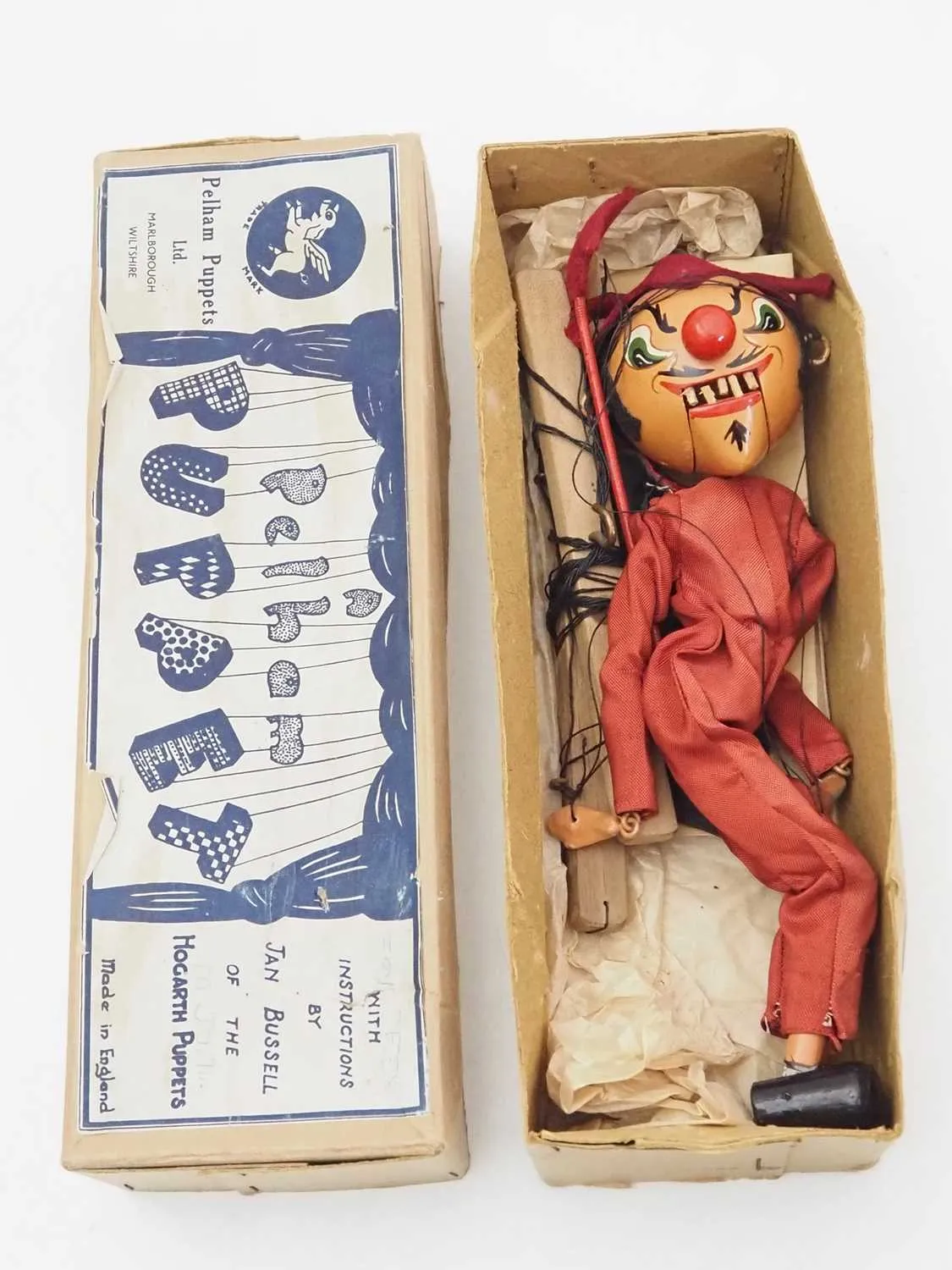
The box and packaging of a vintage diecast toy significantly enhance its value and desirability. The original packaging not only protects the toy but also serves as a historical document, providing information about the product, its manufacturer, and its marketing during the toy’s production era. Collectors highly value toys with their original boxes, as they complete the toy’s presentation and provide a sense of historical context. The condition of the box is also crucial. Boxes in excellent condition, with no tears, fading, or damage, are highly prized. The presence of original inserts, instruction manuals, and promotional materials further increases the value. When buying or selling vintage diecast toys, the presence and condition of the box are a significant factor in determining the toy’s price. It also serves as an important factor in establishing the toy’s historical background and preserving its overall value for future generations of collectors.
How to Assess the Condition of a Toy
Assessing the condition of a vintage diecast toy is a critical skill for both buyers and sellers. The condition directly impacts the toy’s value and collectibility. Begin by carefully examining the toy for any signs of wear and tear. Look for scratches, paint chips, and dents on the body of the toy. Check the wheels and axles to ensure they are intact and functional. Examine any moving parts, such as doors or hoods, to see if they operate smoothly. Consider the presence of rust, corrosion, or any other signs of damage. The original paint job should be reviewed for its color and consistency. The presence of any modifications, such as repainting or the replacement of parts, should also be considered. Collectors often use a grading system, such as mint, near mint, excellent, good, and fair, to describe the condition of the toy. Understanding and applying these assessment guidelines will help you determine the toy’s value and make informed decisions.
Buying Vintage Diecast Toys

Buying vintage diecast toys can be an exciting journey. The first step is to educate yourself about the different brands, models, and their values. Researching prices, conditions, and market trends will assist you in making informed decisions. Establish a budget and determine the types of toys you want to collect. Then, identify trustworthy sources, such as reputable dealers, online marketplaces, or local collectors. Always inspect the toy carefully, paying close attention to its condition, authenticity, and originality. Ask for detailed photos and descriptions and ask questions. Be prepared to negotiate and do your research before making any offers. Remember to consider any shipping costs and fees, and always protect yourself from scams. By following these guidelines, you can navigate the world of buying vintage diecast toys safely and successfully.
Where to Find Vintage Diecast Toys For Sale
Finding vintage diecast toys for sale involves exploring various avenues, each with its own advantages and drawbacks. One of the most common places to find these treasures is online. Online marketplaces offer a vast selection of toys from different sellers, with the convenience of shopping from home. Local flea markets and antique shops provide opportunities to discover hidden gems and inspect the toys in person. Attending toy shows and collector events is a great way to find rare models, connect with other enthusiasts, and learn more about the hobby. Exploring online auctions is also a useful approach. Each avenue offers a unique experience for collectors, with varying levels of pricing, selection, and expertise. Combining these methods can enhance your chances of discovering the perfect addition to your collection.
Online Marketplaces and Auction Sites
Online marketplaces and auction sites have become the premier destinations for buying and selling vintage diecast toys. Platforms like eBay offer a vast inventory of toys from sellers worldwide, allowing collectors to find specific models and compare prices. Auction sites offer a dynamic environment where bids can drive the price up. When using these platforms, pay close attention to seller ratings and feedback. Check the photos and descriptions thoroughly. If the seller provides clear images and detailed information, it can mean that the seller is trustworthy. Remember to ask questions if you have any doubts about the toy’s condition or authenticity. Online marketplaces and auction sites offer unmatched convenience and variety. Always research the market value of the toy you are interested in to ensure a fair price. Be aware of shipping costs and payment security, and always protect yourself from potential scams. With careful research and precautions, these sites can be excellent resources for expanding your collection.
Local Flea Markets and Antique Shops

Local flea markets and antique shops offer a hands-on approach to buying vintage diecast toys, providing unique opportunities to discover rare finds and engage directly with sellers. These markets are often filled with a diverse array of vendors, each offering a variety of toys at different price points. This allows you to inspect the toys, examine their condition, and negotiate prices. Antique shops may have a curated selection of diecast toys, often with expert staff who can provide valuable insights into the toy’s history and value. Visiting these locations encourages you to learn more about the toys and the market. While you might encounter a slightly higher price point, the ability to see and touch the toys can be a significant advantage. Always take your time to inspect the toys carefully, and ask questions to learn as much as you can about each item. Negotiating prices can be a common practice, and cash payments are often preferred.
Things to Consider Before Buying
Before buying a vintage diecast toy, consider a few critical factors. Set a budget and stick to it to avoid overspending. Research the toy’s market value and condition. Determine the level of authenticity, and consider the seller’s reputation. Inspect the toy thoroughly, and ask for more photos if needed. Evaluate the toy’s condition based on established grading standards. Determine the price of shipping and potential import duties. If buying online, use secure payment methods, and keep records of your transactions. Buying vintage diecast toys should be fun, so enjoy the process.
Selling Vintage Diecast Toys
Selling vintage diecast toys can be a profitable venture, provided you know how to prepare your toys for sale, set the right prices, and implement effective selling strategies. Whether you are looking to declutter your collection, earn some extra cash, or simply pass on your toys to a new owner, there are several important steps. First, prepare the toys by cleaning them, assessing their condition, and gathering any original packaging or documentation. Next, research their market value and set competitive prices. Utilize online platforms, local auction houses, or toy shows to reach potential buyers. Provide detailed descriptions and high-quality photos. Be prepared to answer questions, negotiate, and handle shipping and payment transactions. By following these steps, you can sell your vintage diecast toys successfully.
Preparing Your Toys for Sale

Preparing your vintage diecast toys for sale involves a series of steps to maximize their appeal and value. Start by carefully cleaning each toy. Use a soft cloth and mild soap and water. Avoid harsh chemicals. Next, assess the condition of the toy, noting any flaws or damage. Take clear and detailed photos of the toy. Include photos of any unique features. Gather any original packaging, boxes, or documentation. If you have the original box and any included documentation, that will increase the value of the toy. Write a comprehensive description of the toy, including its brand, model, year of production, and condition. Be honest and transparent in your description. If the toy has been restored or modified, be sure to disclose it. By taking these steps, you can create an accurate and attractive presentation that will encourage buyers to make a purchase.
Setting the Right Price
Setting the right price for your vintage diecast toys is crucial for attracting buyers. Begin by researching the market value. Review completed sales on online marketplaces. Check auction results, and consult price guides. Consider the condition, rarity, and demand. Once you understand the market, set a competitive price. It should be reasonable for the toy’s condition and demand. Be prepared to negotiate, but stick to your minimum acceptable price. If the toy is rare, in excellent condition, or in high demand, you may set a higher price. Prices vary depending on the platform you use to sell, the cost of the platform, shipping fees, and taxes. Consider including shipping costs in your selling price or offering it separately. The right price will help you sell your toys quickly and make the most of your collection.
Online Selling Strategies
Employing effective online selling strategies will maximize your chances of success in selling vintage diecast toys. First, choose the right platform. Select a marketplace with a large audience of collectors. Write a detailed description. Use clear, descriptive language, highlighting unique features. Include the brand, model, year, condition, and any defects. Provide high-quality photos. Use clear, well-lit images, and show the toy from multiple angles. Set a competitive price. Research the market, and set a price that is both attractive to buyers and profitable for you. Respond to inquiries promptly. Answer questions and provide additional information. Be transparent and honest in your communications. Offer excellent customer service. By following these strategies, you will increase your chances of selling your vintage diecast toys quickly.
Protecting Yourself from Scams

Protecting yourself from scams is essential when buying or selling vintage diecast toys online. Always use secure payment methods, such as PayPal or credit cards, as these offer buyer and seller protection. Be wary of any buyer offering to pay more than the asking price. Such offers are often scams. Never send the item until you have received full payment. Keep detailed records of all transactions, including communications, photos, and shipping information. If something seems too good to be true, it probably is. Report any suspicious activity to the platform you are using. By taking these precautions, you can reduce the risk of becoming a victim of fraud and ensure a safe and positive buying and selling experience. Awareness and diligence are your best defenses against scams in the online marketplace.
In conclusion, the world of vintage diecast toys is a captivating blend of history, craftsmanship, and investment potential. Understanding the nuances of these miniature marvels, from identifying authentic pieces to mastering the art of buying and selling, is a rewarding experience for enthusiasts and collectors alike. The joy of discovering a rare model, the thrill of the hunt, and the satisfaction of expanding a collection create a vibrant community of shared passion. Whether you are a seasoned collector or just starting your journey, the knowledge gained from this guide will equip you with the tools to navigate the vintage diecast toy market with confidence and expertise.