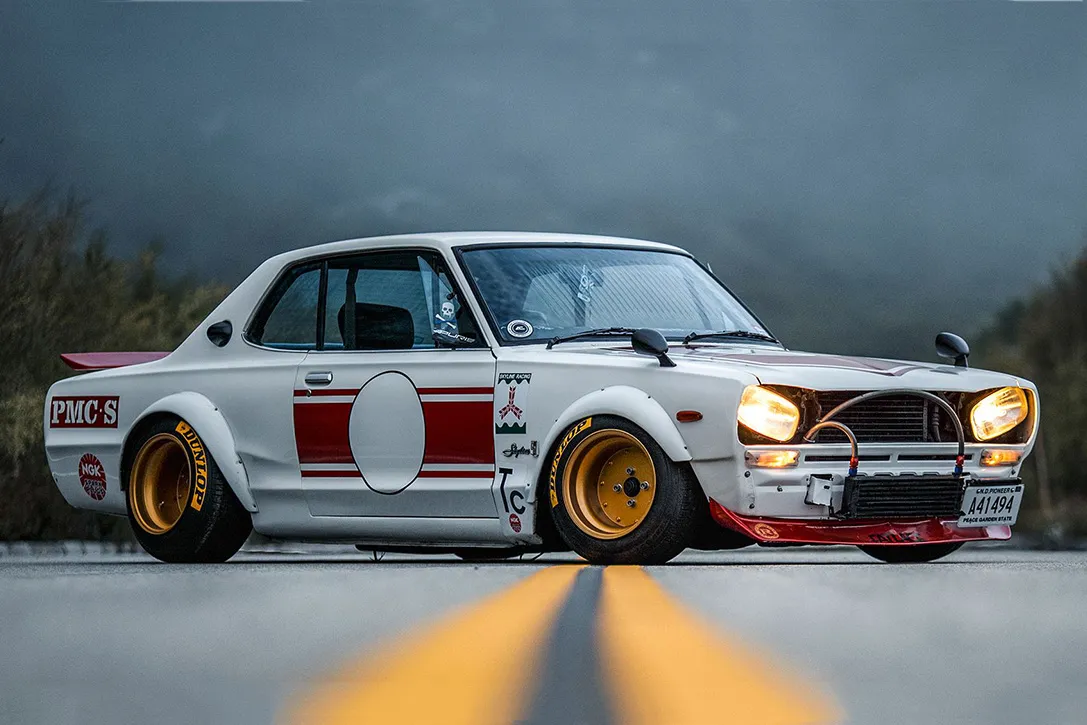
Vintage Japanese diecast cars represent a fascinating blend of automotive history, meticulous craftsmanship, and enduring collectibility. These miniature marvels, produced primarily from the 1960s through the 1980s, have captured the hearts of enthusiasts worldwide. Their appeal lies not only in their detailed replicas of iconic vehicles but also in their reflection of Japan’s burgeoning post-war economy and technological advancements. This article delves into the captivating world of vintage Japanese diecast cars, exploring their origins, key manufacturers, noteworthy models, and the enduring passion they ignite in collectors.
What are Vintage Japanese Diecast Cars?
Vintage Japanese diecast cars are miniature replicas of real-life automobiles, typically made from die-cast metal (zinc alloy) and other materials like plastic and rubber. These models were produced by various Japanese manufacturers, with a focus on accurately recreating the designs, details, and features of popular cars from around the world, but with a particular focus on Japanese domestic models. They were often created at a smaller scale, such as 1 43 or 1 64, making them ideal for collecting, display, and play. The term “vintage” generally refers to cars produced before the 1990s, with the 1960s and 1970s being considered the ‘golden age’.
The Golden Era of Japanese Diecast (1960s-1970s)
The 1960s and 1970s represent the golden era for Japanese diecast car production. This period witnessed a surge in the quality, detail, and variety of models produced. Japanese manufacturers were eager to showcase their engineering prowess and the burgeoning automotive industry. The models from this era are highly sought after by collectors because of their intricate designs, quality of materials, and historical significance. The increasing popularity of cars in Japan also drove demand for the miniature versions. The market was filled with innovation and the desire to replicate iconic vehicles from around the world, leading to a wide range of cars that are still incredibly valuable today.
Key Manufacturers of Japanese Diecast

Several manufacturers played pivotal roles in the success of Japanese diecast cars. These companies set the standard for quality, detail, and innovation in the industry. Their contributions have had a lasting impact on the collecting world. These brands produced many different model lines, each with its own distinctive features and aesthetic appeal, that would eventually become favorites to collectors.
Tomica
Tomica is arguably the most famous Japanese diecast manufacturer. Founded in 1970 by Tomy, the brand is known for its high-quality, accurately detailed models, primarily in 1 64 scale. Tomica’s vast range includes Japanese domestic cars, along with international vehicles, emergency services vehicles, and construction equipment. Tomica’s commitment to detail, durability, and the wide range of models, helped it gain a dedicated following among collectors of all ages, and the brand continues to produce new models today.
Matchbox
Matchbox, while a British brand, had a significant presence in Japan. Known for their compact size and affordable prices, Matchbox cars were very popular. The company produced a variety of Japanese car models, which are especially sought after by collectors today. Matchbox expanded its production to include a wider range of international vehicles, further solidifying its place in the diecast car world. These cars are known for their quality and the role they played in the evolution of diecast collecting.
Other Notable Brands

Other manufacturers also contributed significantly to the Japanese diecast car scene. Brands such as Diapet, and Kyosho produced high-quality models that are prized by collectors. Diapet, in particular, is recognized for its detailed replicas of Japanese commercial vehicles and trucks. These brands, along with Tomica and Matchbox, played an important role in shaping the vintage diecast car market in Japan and around the world.
Top 7 Facts About Vintage Japanese Diecast Cars
Fact 1 Rarity and Collectibility
The rarity of specific models significantly drives their collectibility. Limited production runs, variations in colors, and unique features all contribute to the value of a vintage diecast car. Certain models are incredibly scarce, making them highly sought after by collectors willing to pay premium prices. The condition of the car also significantly impacts its value, with models in mint condition being the most desirable.
Fact 2 Detailed Craftsmanship

Vintage Japanese diecast cars are renowned for their exceptional craftsmanship. The level of detail in these models is remarkable, with intricate features such as realistic interiors, detailed engines, and accurate paintwork. These models reflect the high manufacturing standards of the Japanese industry. Many models feature opening doors, hoods, and trunks, as well as finely replicated wheels and tires. This attention to detail is what makes them so appealing to collectors.
Fact 3 Iconic Models
Certain models have achieved iconic status within the vintage diecast car community. These include classic sports cars, popular sedans, and even commercial vehicles. The Tomica Datsun Fairlady Z and the Toyota 2000GT are examples of highly desirable models. These iconic models represent the best of Japanese automotive design. Collectors actively seek these models to complete their collections, and they often command high prices.
Fact 4 Materials and Construction
The materials used in the construction of vintage Japanese diecast cars significantly influence their durability and value. Zinc alloy is the primary material used for the body, while plastic and rubber are used for interior details, tires, and other components. The quality of these materials, along with the assembly process, determines the longevity of the models. Some models, for example, might use more robust materials, making them more collectible.
Fact 5 Market Value Fluctuations

The market value of vintage Japanese diecast cars can fluctuate based on several factors. These include the model’s rarity, condition, and popularity. Demand from collectors, economic conditions, and even trends can influence prices. Some models appreciate in value over time, while others remain relatively stable. Collectors must stay informed about market trends, auction results, and price guides to make informed buying and selling decisions.
Fact 6 Restoration and Preservation
Restoring and preserving vintage diecast cars is an essential aspect of the hobby. Collectors often invest time and resources to clean, repair, and sometimes repaint their models to maintain or enhance their value. Proper storage and handling, such as keeping the models away from direct sunlight and extreme temperatures, can help to preserve their condition. Some collectors specialize in restoration, carefully bringing these miniature cars back to their former glory.
Fact 7 The Allure of Nostalgia
For many collectors, the appeal of vintage Japanese diecast cars is strongly tied to nostalgia. These models evoke memories of childhood, favorite cars, and a bygone era of automotive design and manufacturing. The simple joy of collecting and owning these miniature versions of classic cars keeps the passion alive. For many collectors, the cars represent a tangible link to their past, making them much more than just collectibles.
How to Start Collecting Vintage Japanese Diecast Cars

Starting a collection of vintage Japanese diecast cars is an exciting endeavor. Collectors should begin by researching and identifying models they are interested in, setting a budget, and determining where to find them. The journey can be highly rewarding, providing a glimpse into automotive history and the craftsmanship of a different era. A strong understanding of the market, along with patience and a passion for the hobby, can make the experience all the more enjoyable.
Identifying Authentic Diecast Cars
Authenticating vintage diecast cars is crucial for collectors. Examining the model’s details, such as the paint, markings, and overall build quality, is key to verifying its authenticity. Collectors should become familiar with the characteristics of genuine models from various manufacturers. Seeking advice from experienced collectors or specialists can provide invaluable insights. Knowing about the original packaging can also help in identifying genuine models from replicas.
Where to Find Vintage Diecast Cars
There are several avenues for finding vintage Japanese diecast cars. Collectors can find models at online marketplaces, local auctions, and collectibles shops. Each venue provides its own advantages and challenges. Patience, persistence, and a keen eye for detail are important when searching for vintage cars. The ability to spot a good deal, along with a strong understanding of the market, can greatly increase the chances of building a successful collection.
Online Marketplaces

Online marketplaces offer a vast selection of vintage diecast cars. Platforms such as eBay and specialized diecast car websites are popular choices. These platforms provide access to a global market of sellers and collectors. When using online marketplaces, it is essential to carefully review seller ratings, inspect the product photos, and ask any questions to assess the condition. This can help you avoid fraudulent transactions.
Local Auctions and Collectibles Shops
Local auctions and collectibles shops offer a more hands-on experience. They can be excellent sources for finding rare and unique models. Attending auctions allows collectors to examine the cars in person and compete for bids. Collectibles shops often have knowledgeable staff who can offer guidance and expertise. These venues provide a chance to build relationships with other collectors and stay abreast of the local market.
Collecting Tips
Developing a clear collecting strategy, such as focusing on a particular brand, model, or era, can help to streamline the process. Researching the market and understanding the value of different models is essential. Networking with other collectors can provide valuable insights and opportunities. Be patient, and enjoy the hunt for these miniature treasures. This will greatly help you to build a collection that you will be proud to own.
Caring for Your Collection
Proper care and storage are vital for preserving the value of your vintage diecast cars. Keeping the models in a controlled environment, away from direct sunlight, extreme temperatures, and humidity, can prevent damage. Using display cases or protective sleeves can also help to safeguard the cars from dust and scratches. Regular cleaning and maintenance are also critical to maintain their appearance.
Displaying Your Collection
Displaying your collection allows you to showcase your prized possessions and share your passion with others. Consider using display cases, shelves, or shadow boxes to create an appealing presentation. Arranging the models by brand, model type, or era can add visual interest. Proper lighting can highlight the details and beauty of the cars. Creative and thoughtful display can greatly enhance the enjoyment of your collection, and make your collection part of your home decor.
In conclusion, vintage Japanese diecast cars represent a significant part of automotive and cultural history. These miniature works of art offer collectors a unique blend of craftsmanship, nostalgia, and investment potential. Whether you are a seasoned collector or just starting, the world of vintage Japanese diecast cars offers a captivating journey. With careful research, a keen eye, and a passion for these miniature marvels, you can build a collection that brings you joy for years to come.